

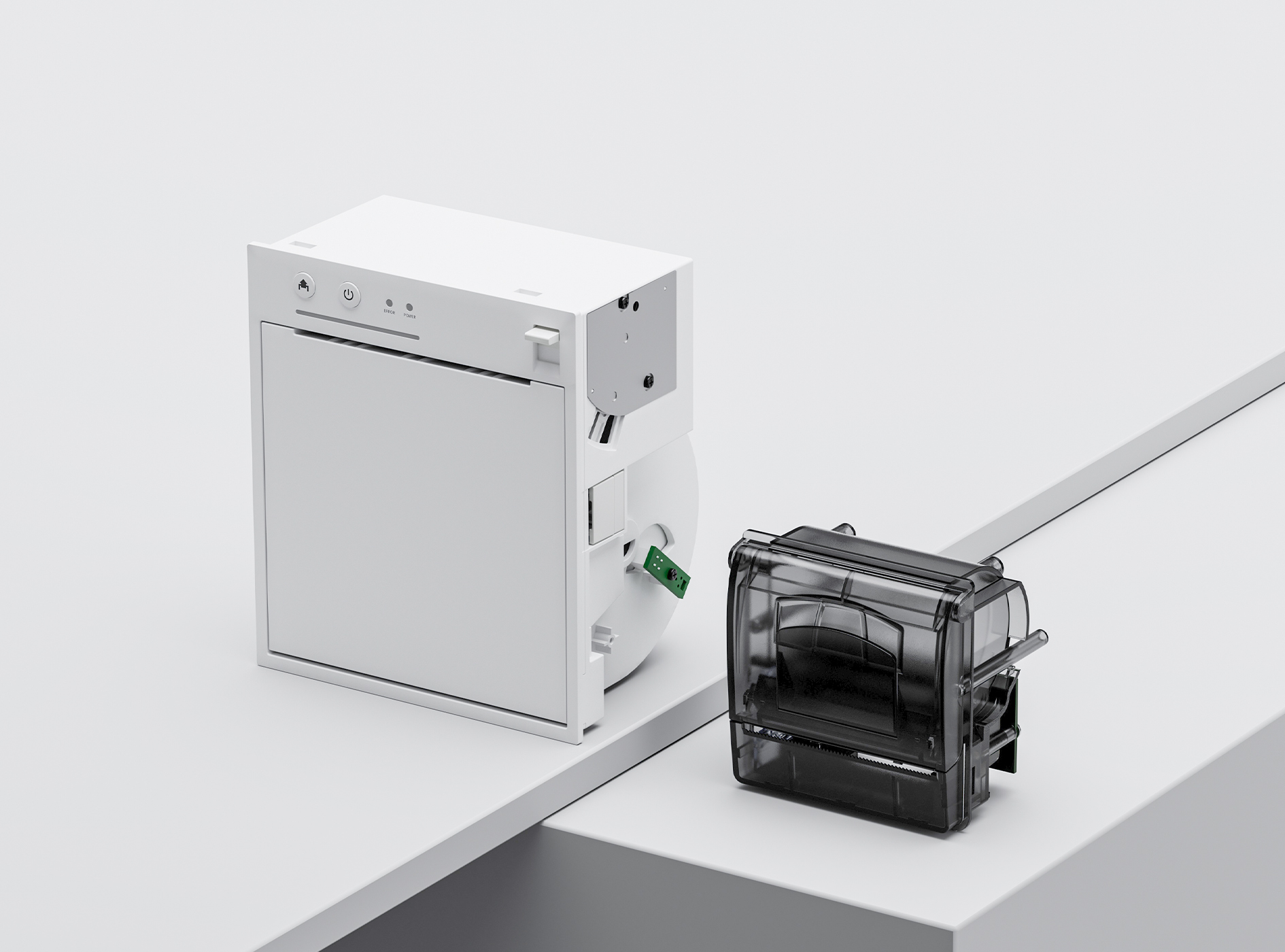
 80mm Receipt Printer
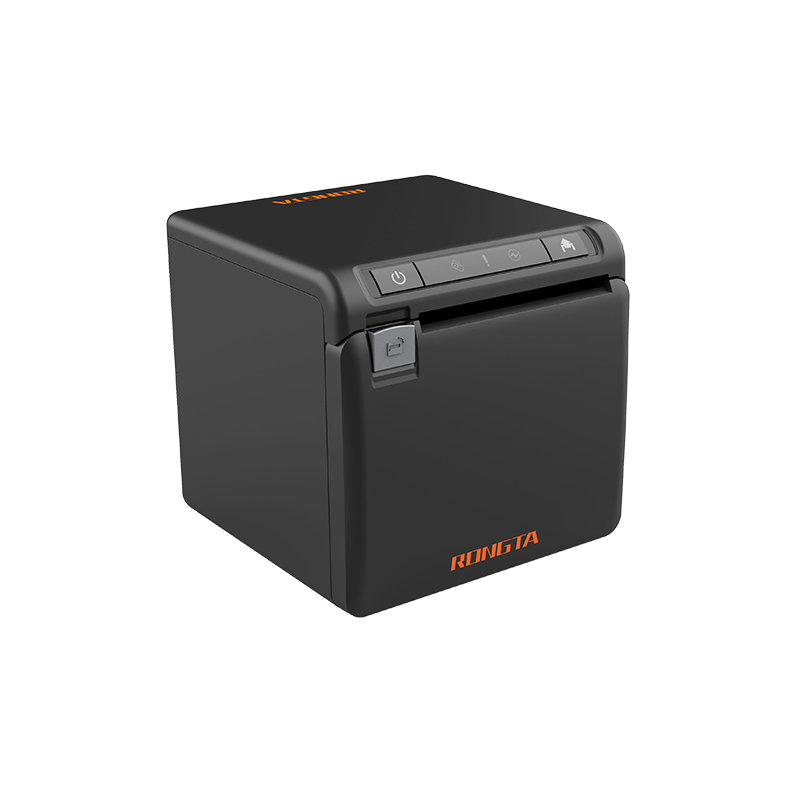 ACE H2
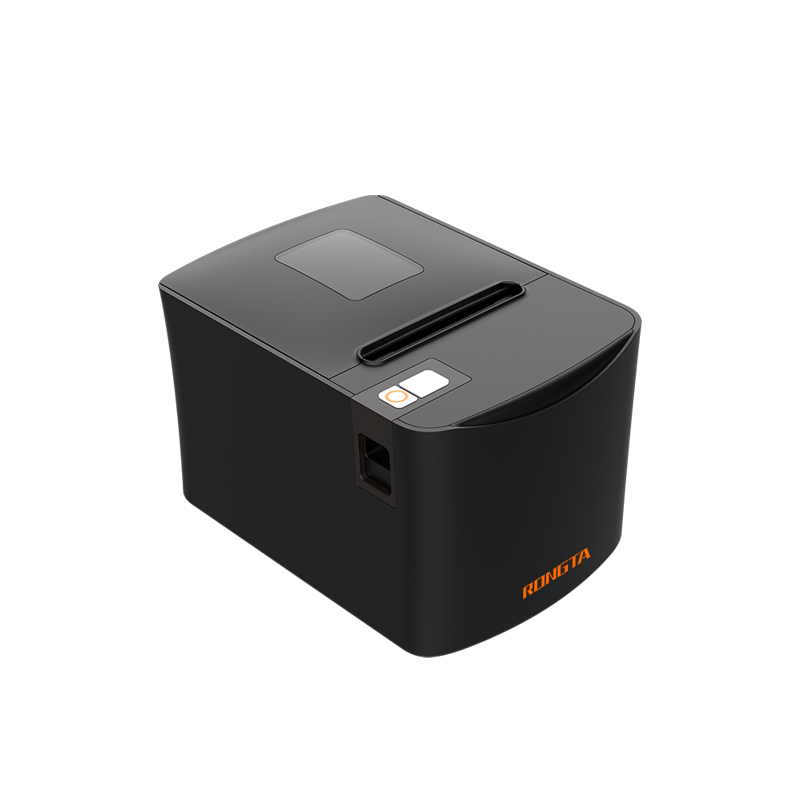 RP331
RP331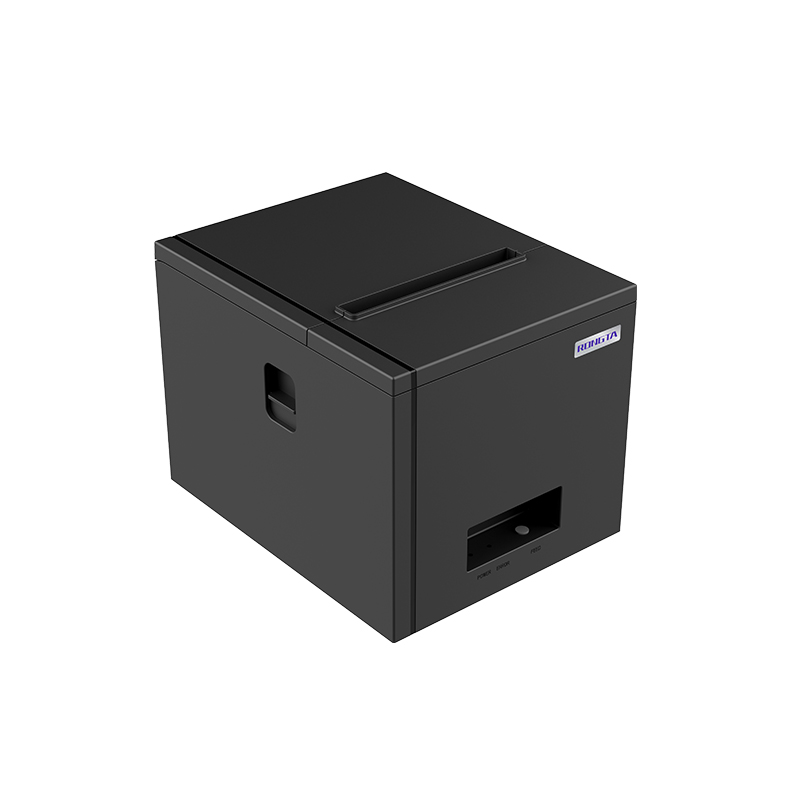 RP350
RP350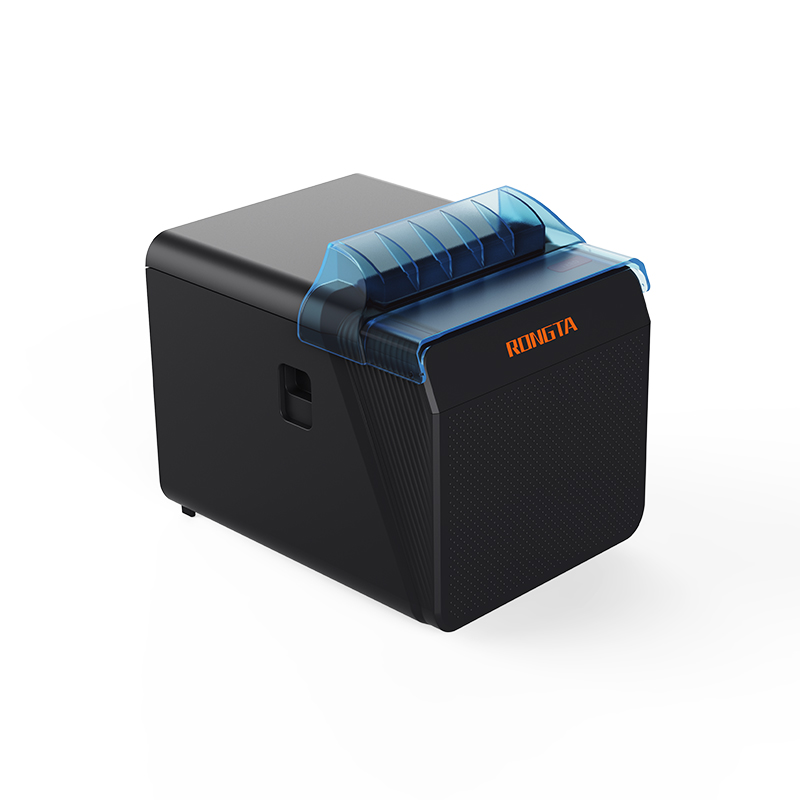 RP337
RP337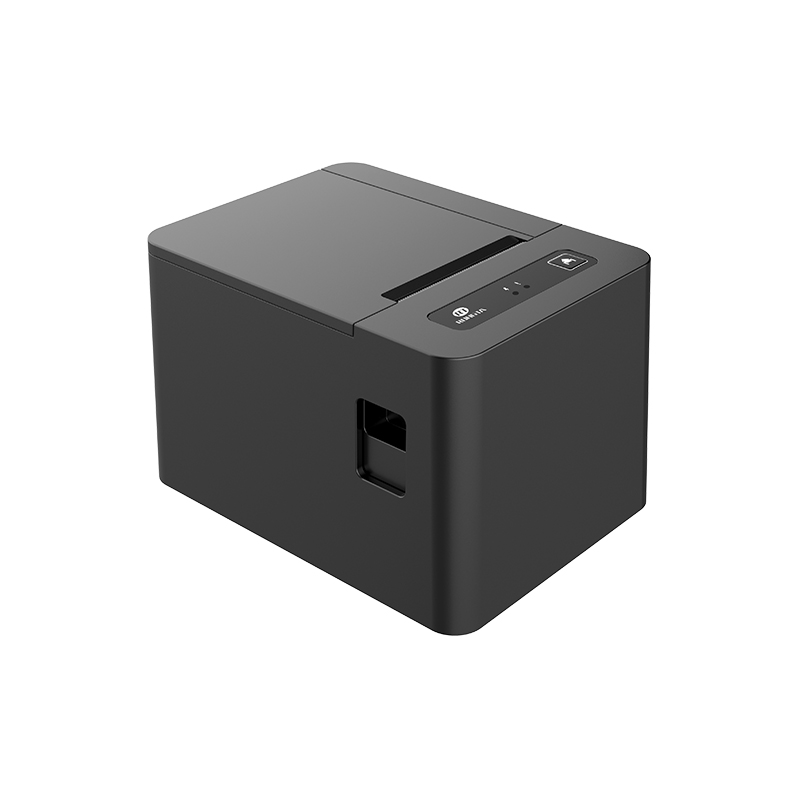 RP582
RP582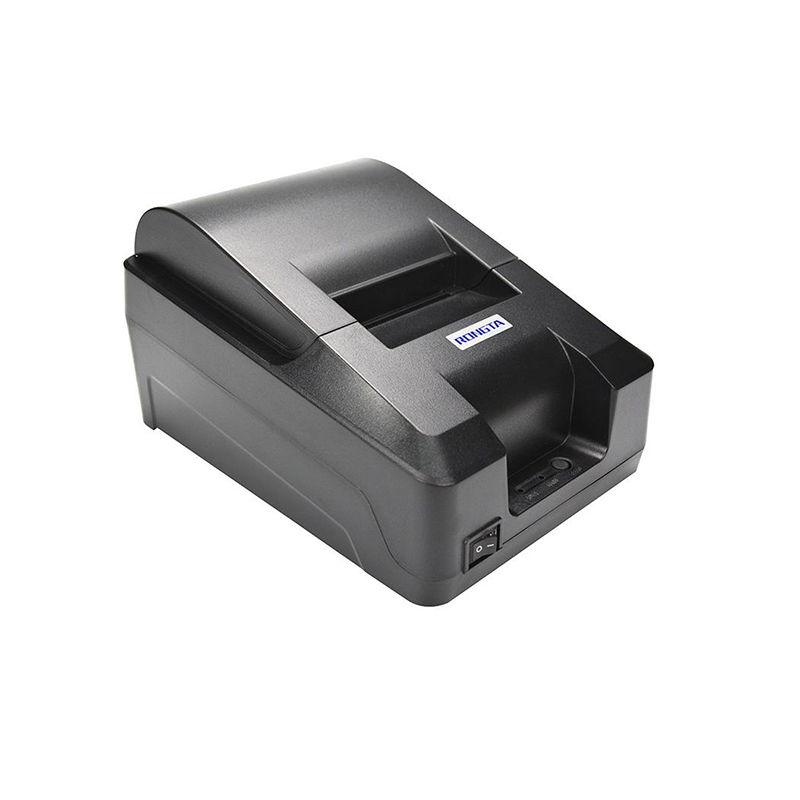 RP58A
RP58A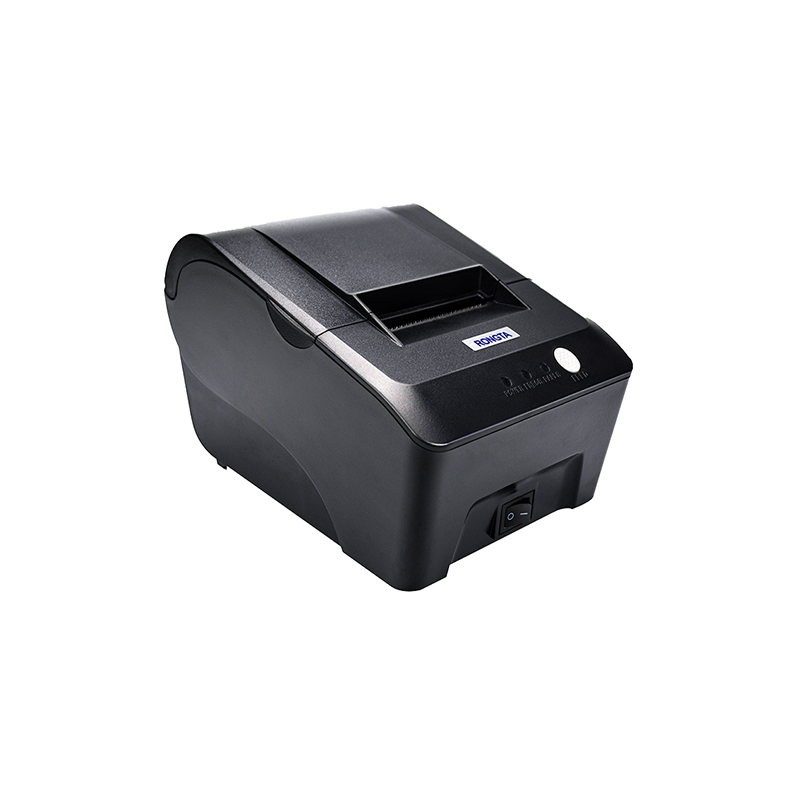 RP58E
RP58E RP58B
RP58B RP310D
 RP216
RP216 ACE V1S
 RP211
RP211 RP425/RP425C
 RP422
RP422 RP421A-Airprint
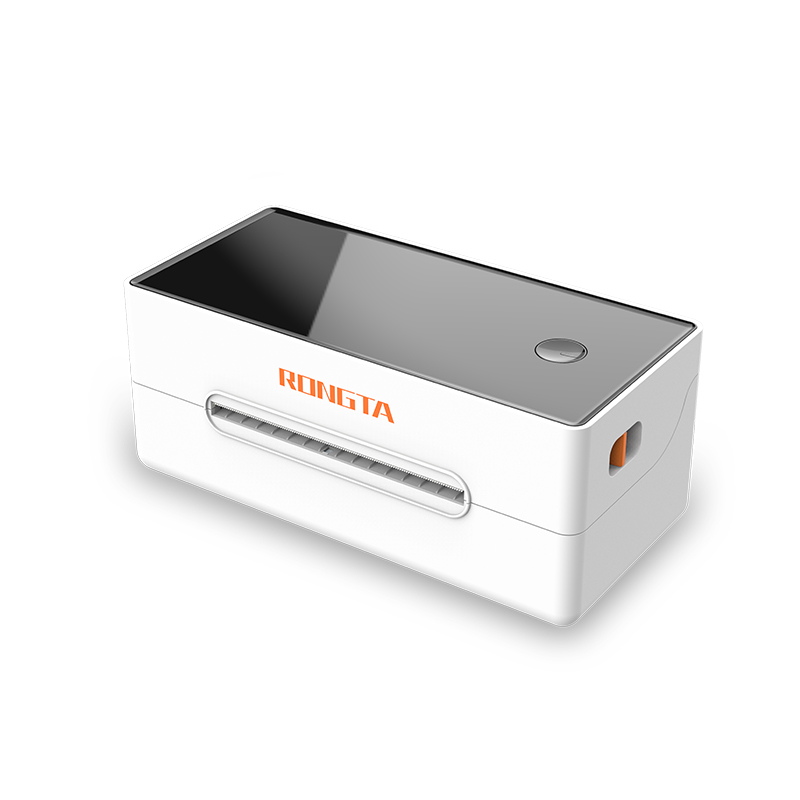 RP421
RP421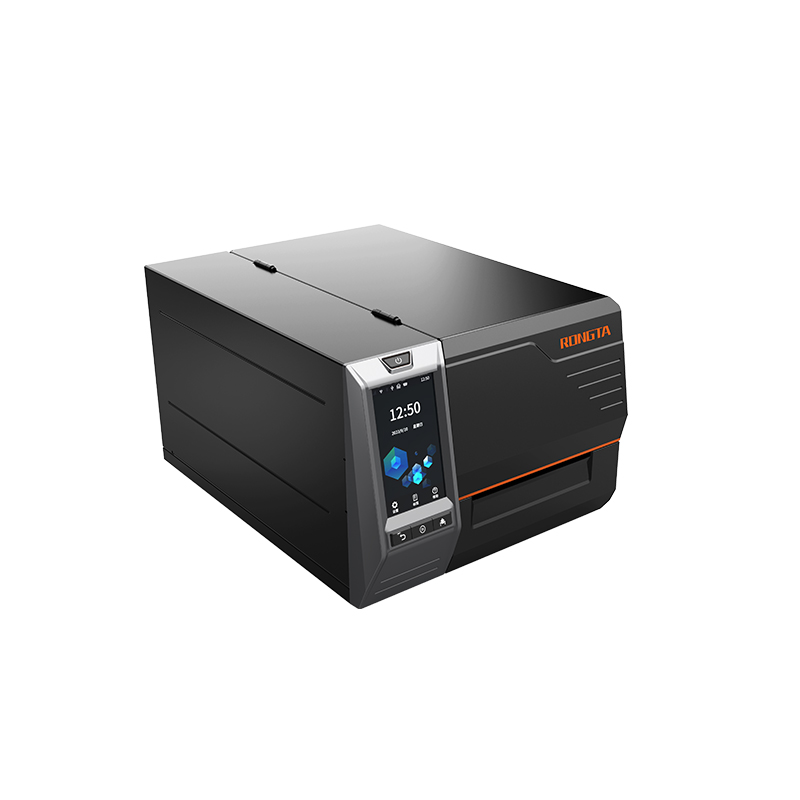 RI460/RI463/RI460r
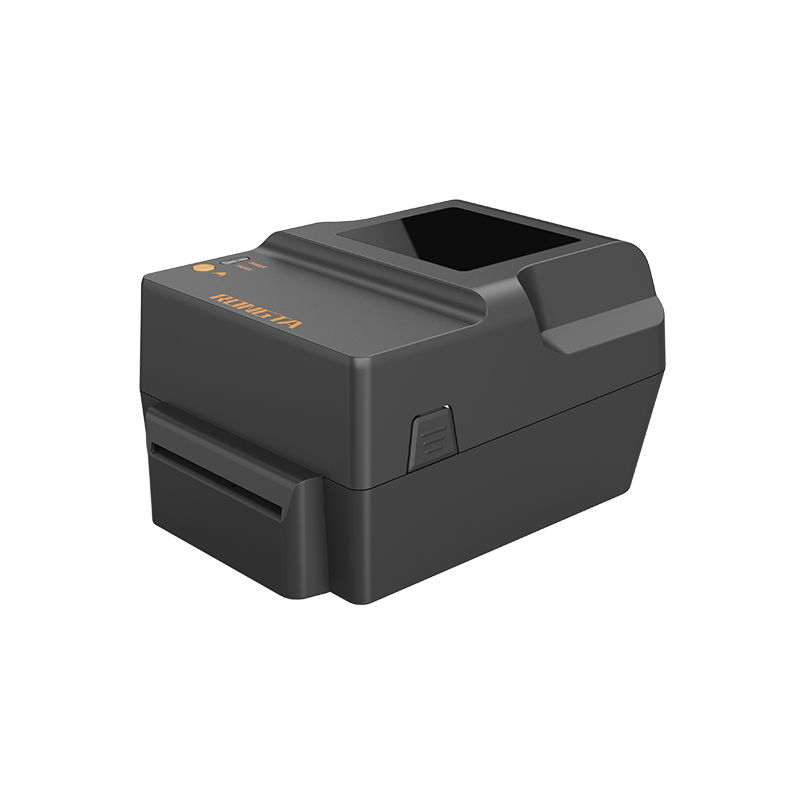 RP400H
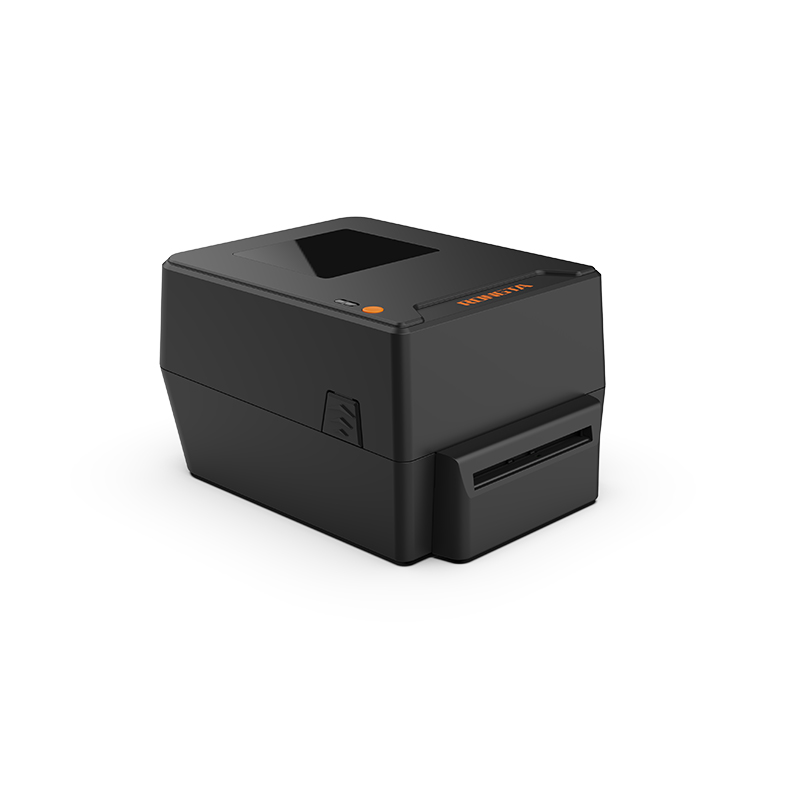 RP400A
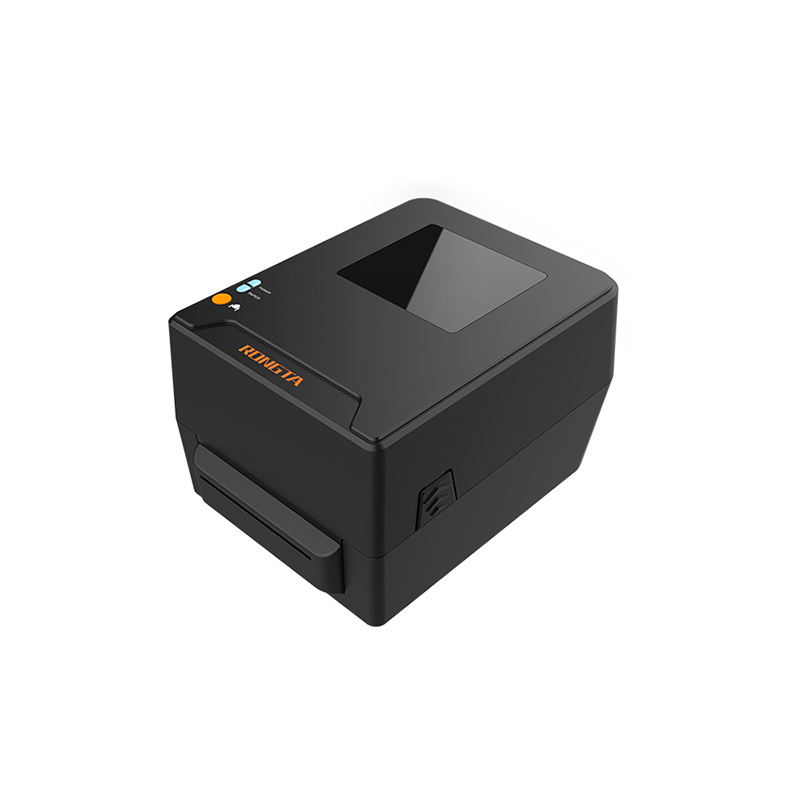 RPF412
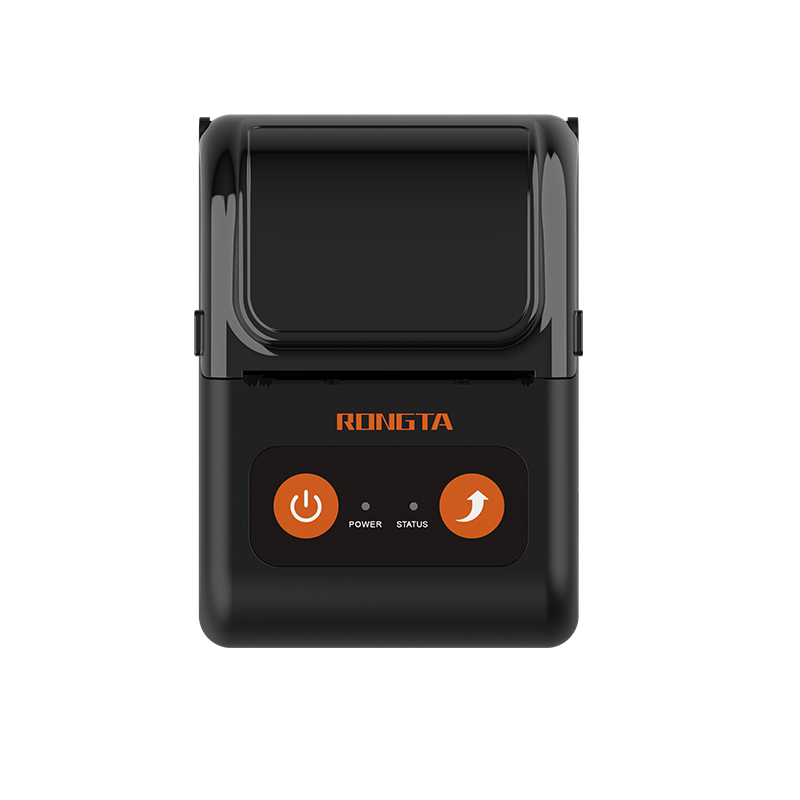 RPP02C
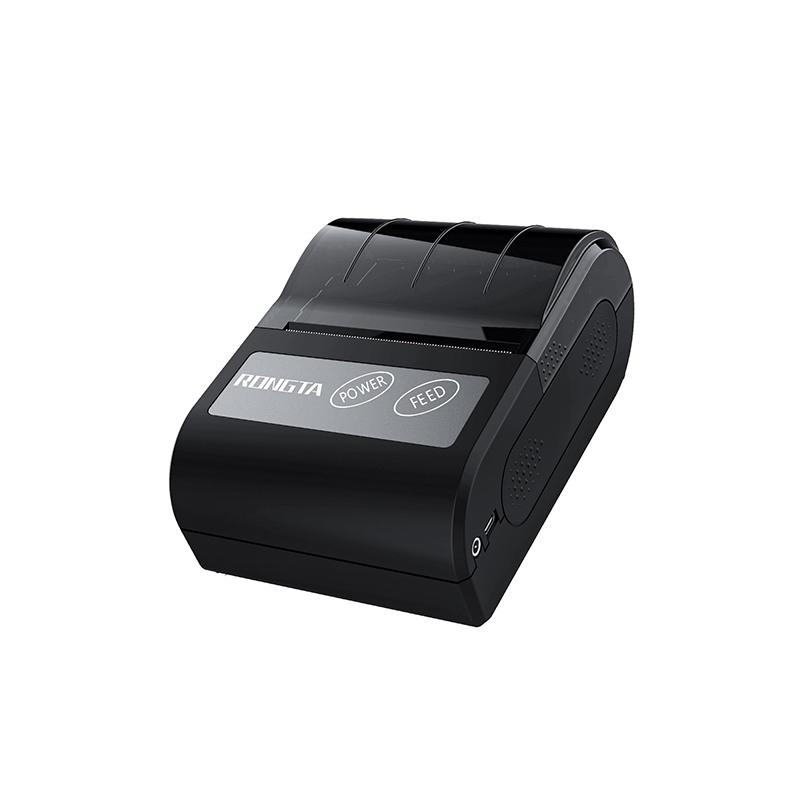 RPP02N
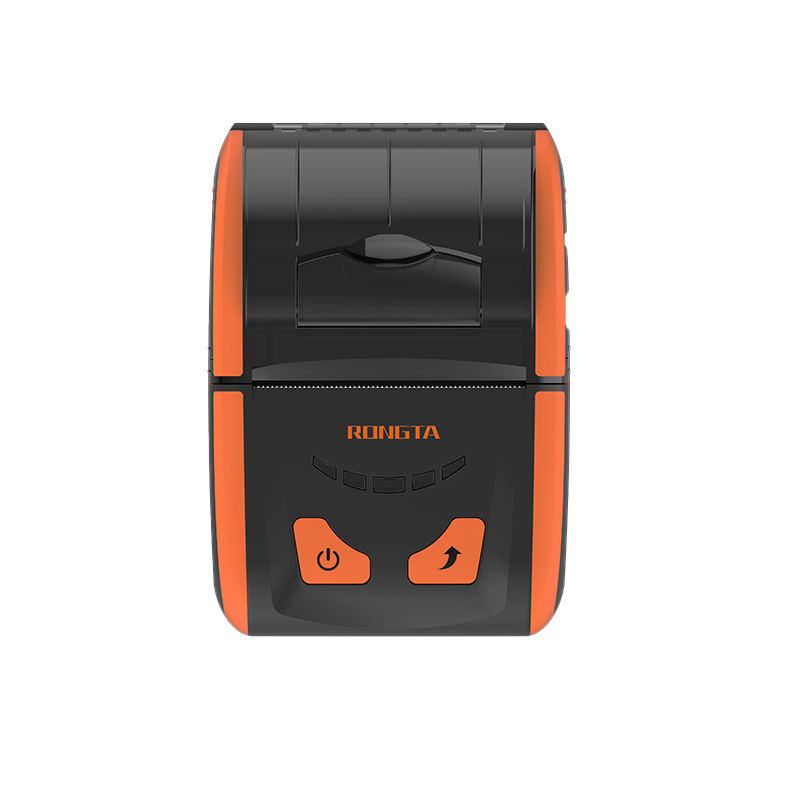 RPP200
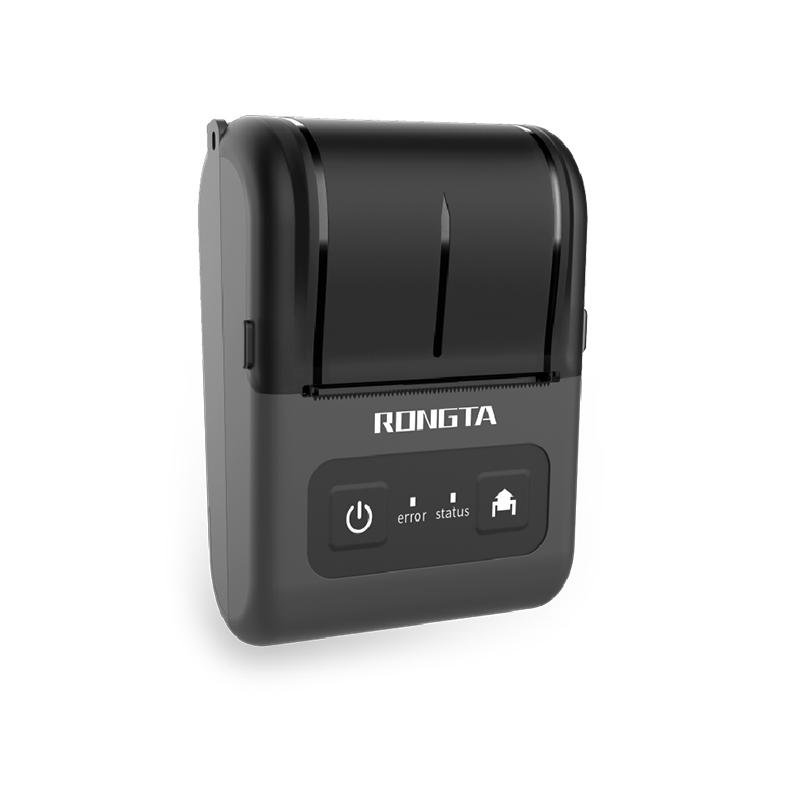 RPP02D
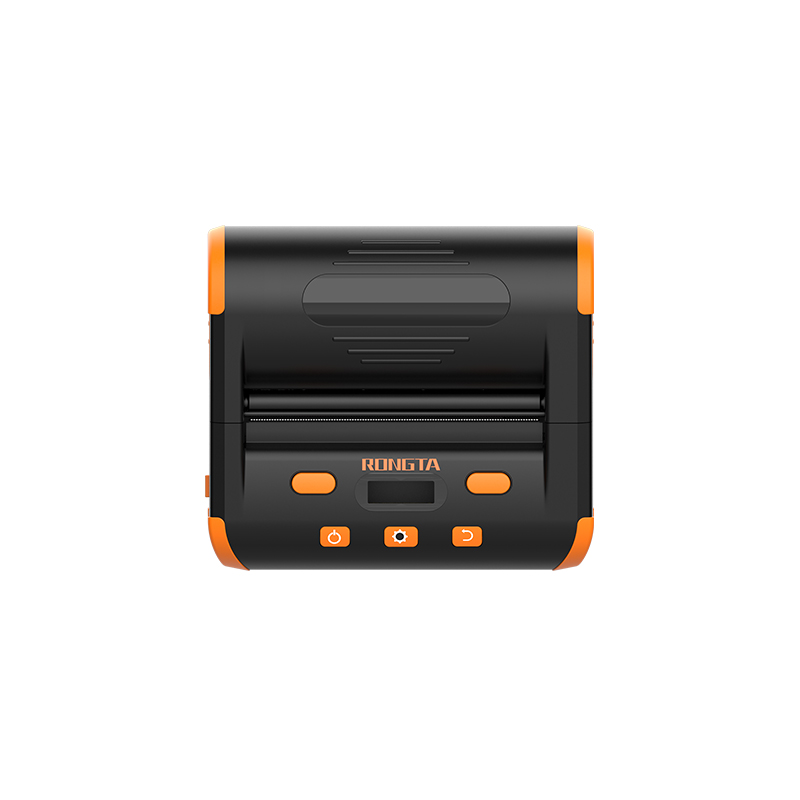 RPP04
RPP04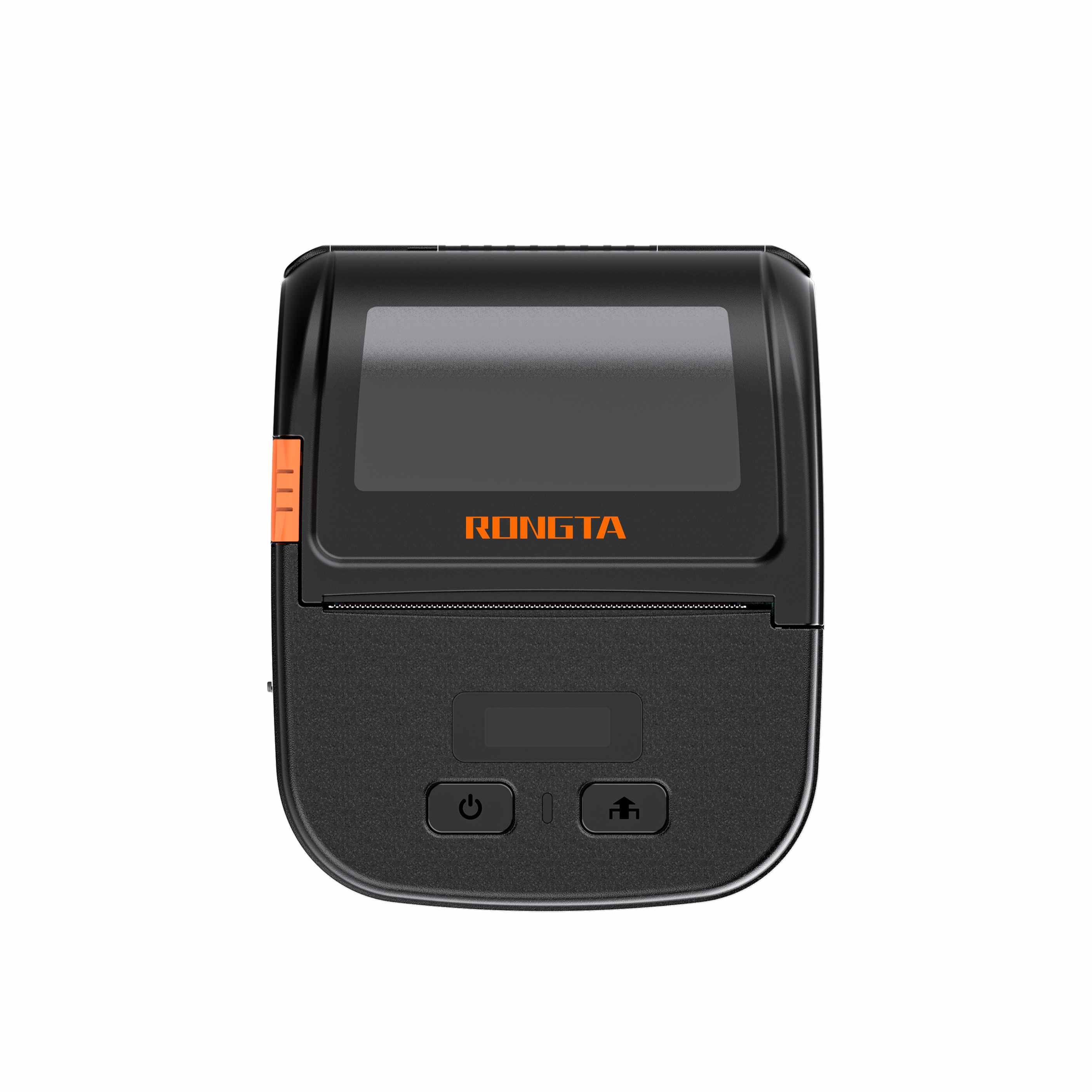 RPP30
RPP30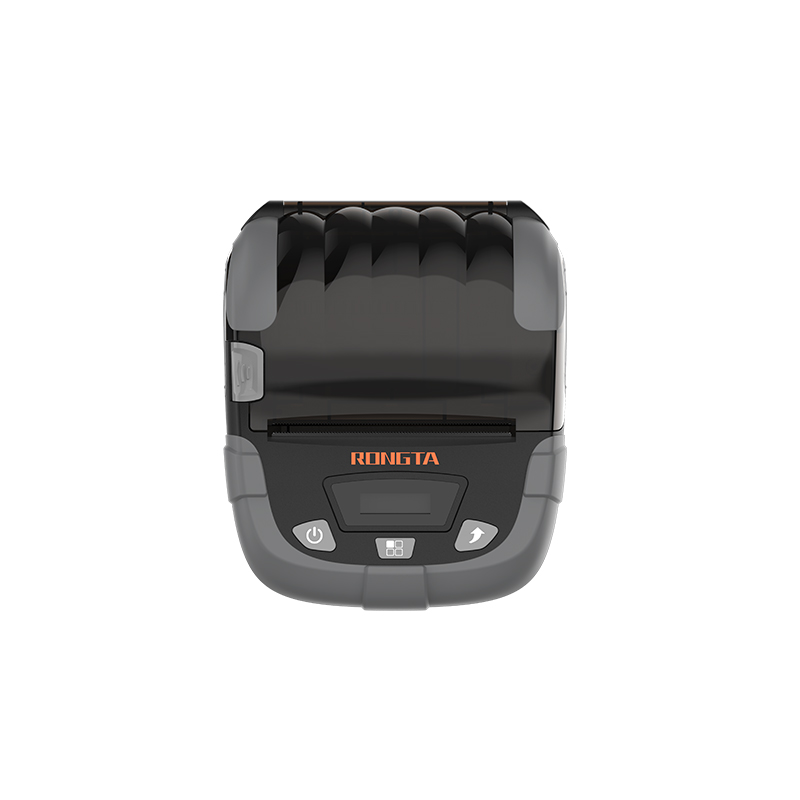 RPP320
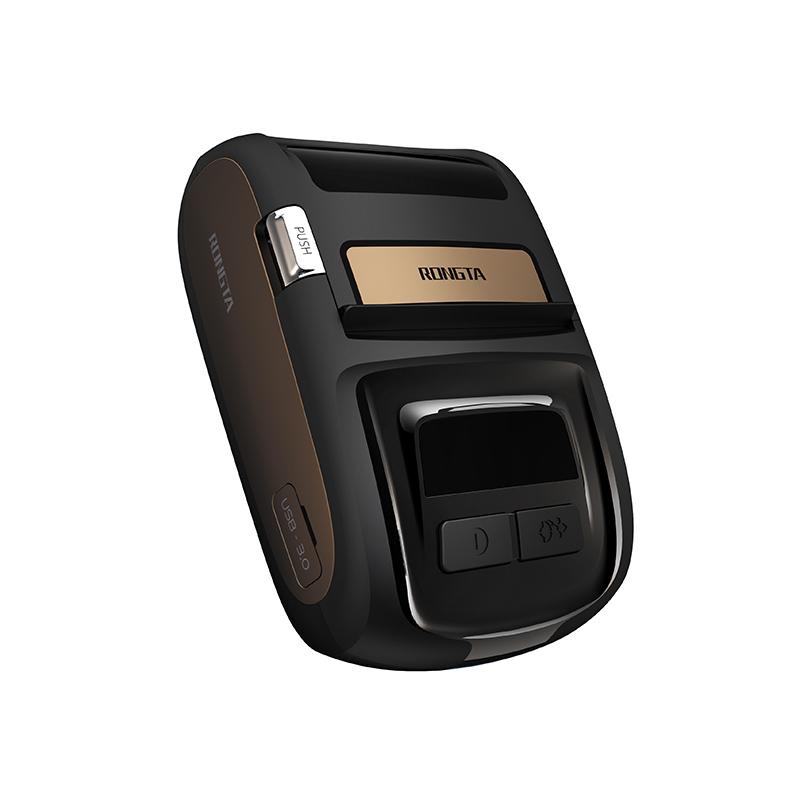 ACE M1
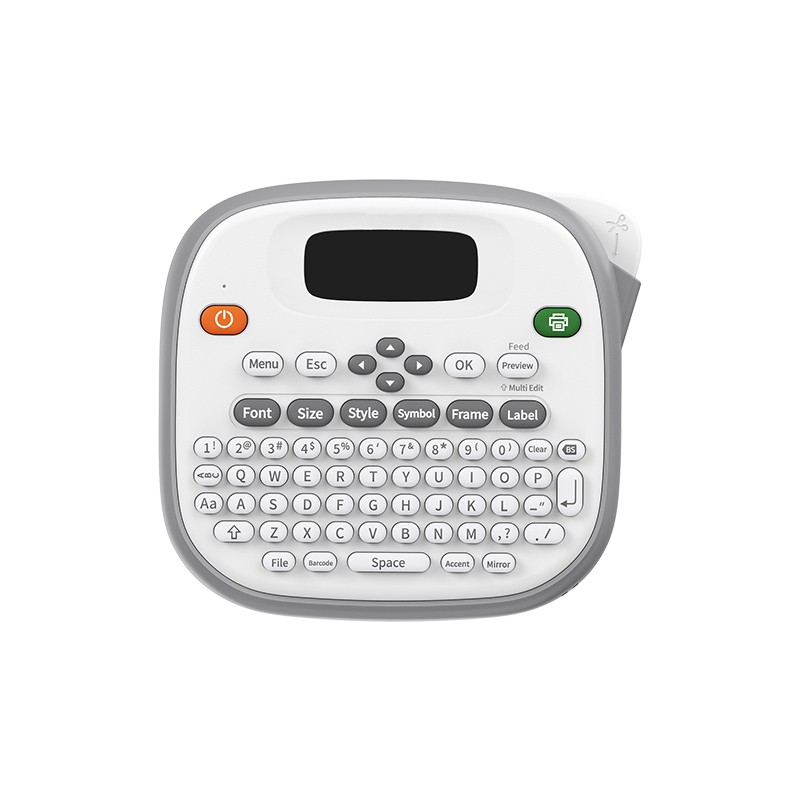 TD210
TD210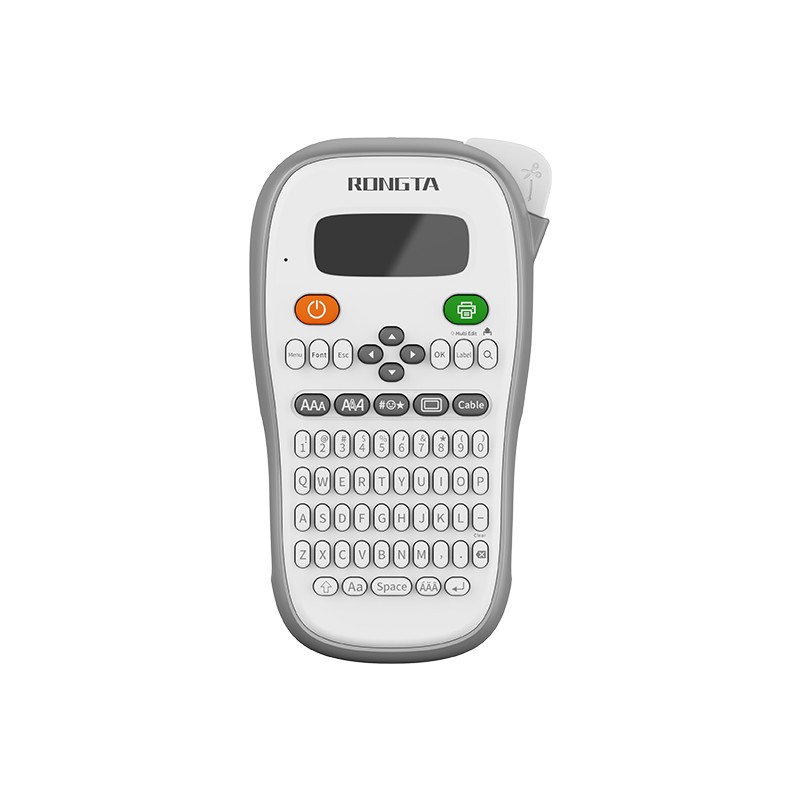 TH110
TH110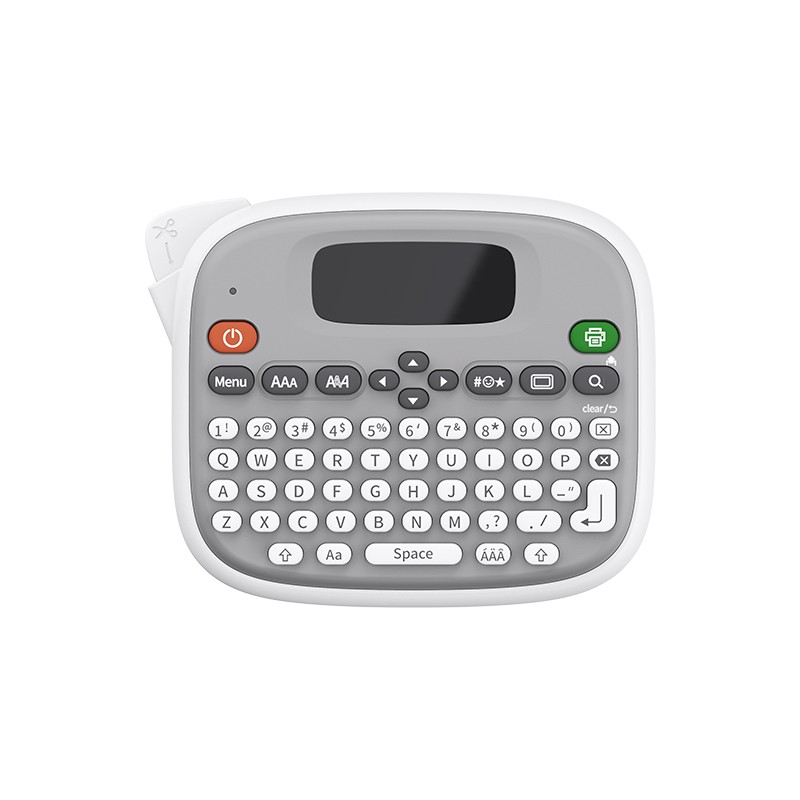 TM95
TM95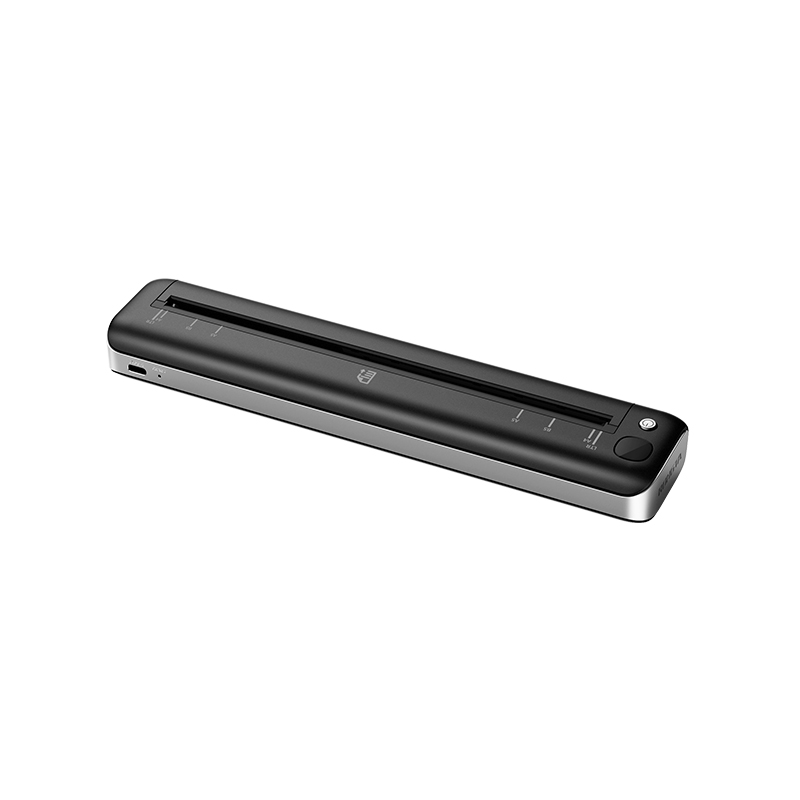 F81A
F81A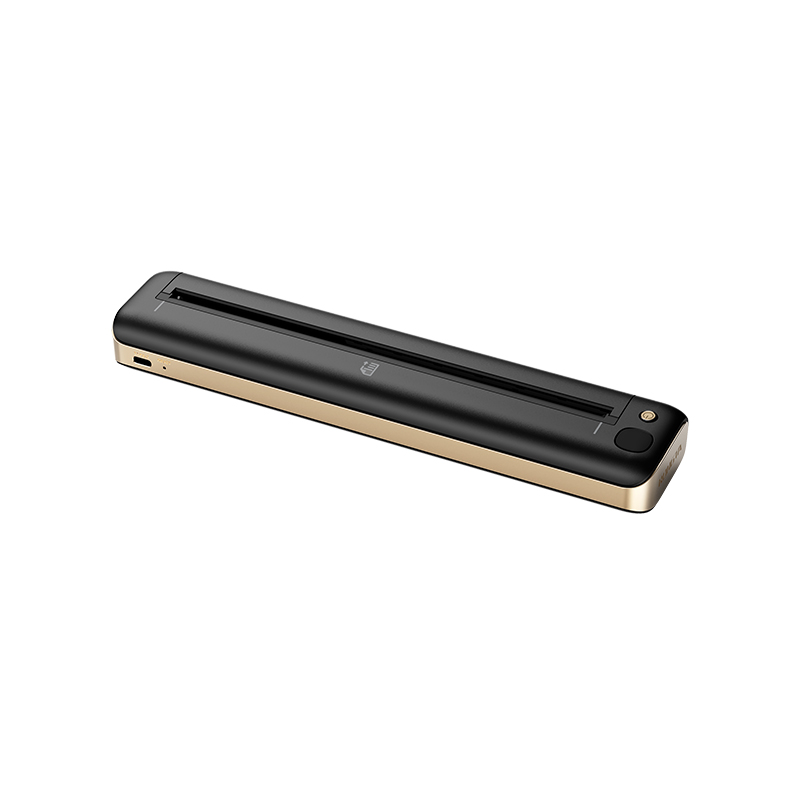 F81S
F81S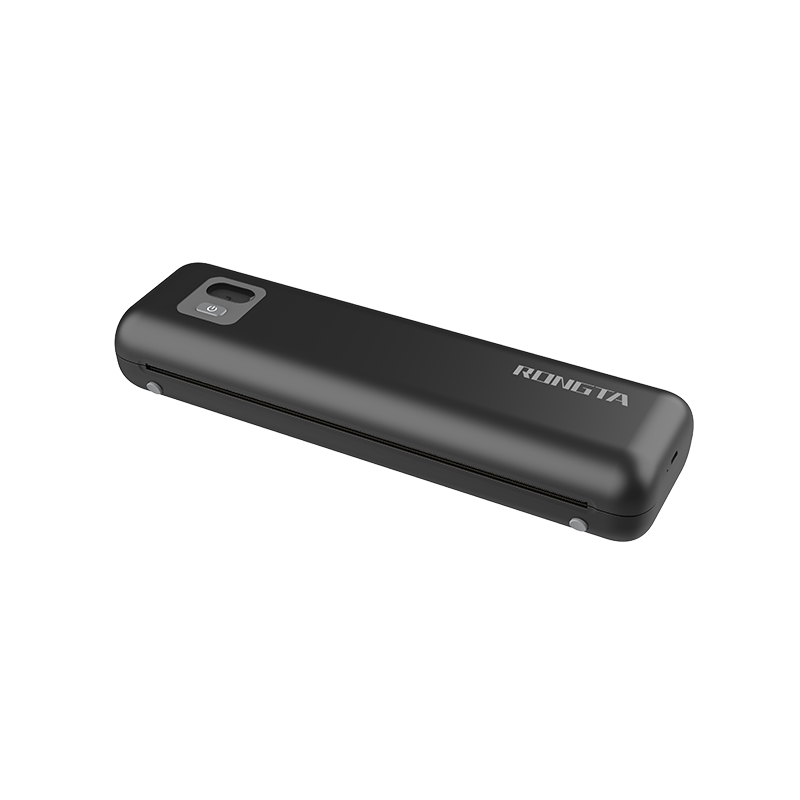 F82A
F82A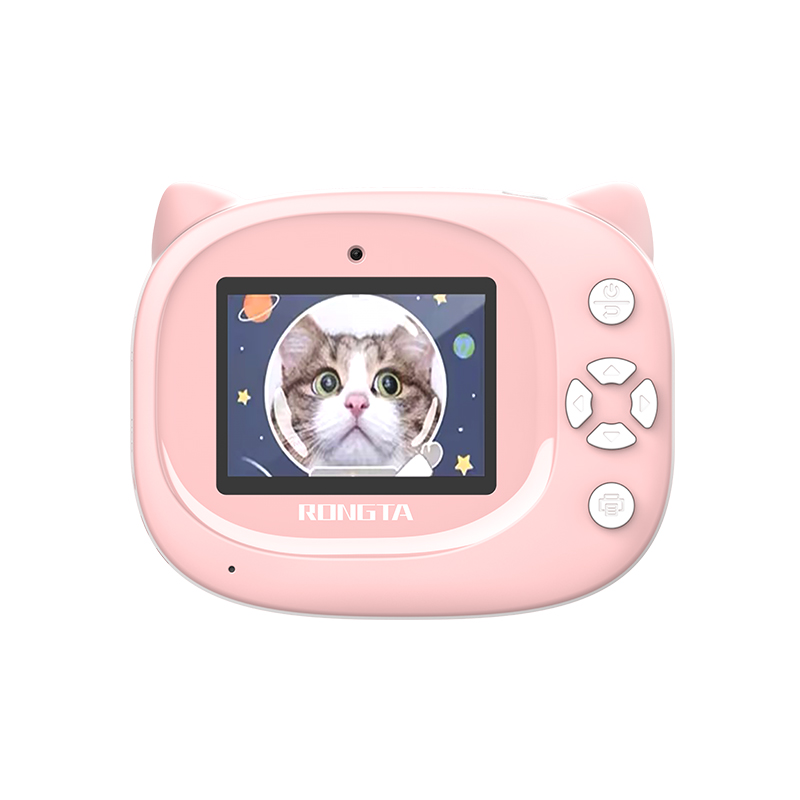 Z1
Z1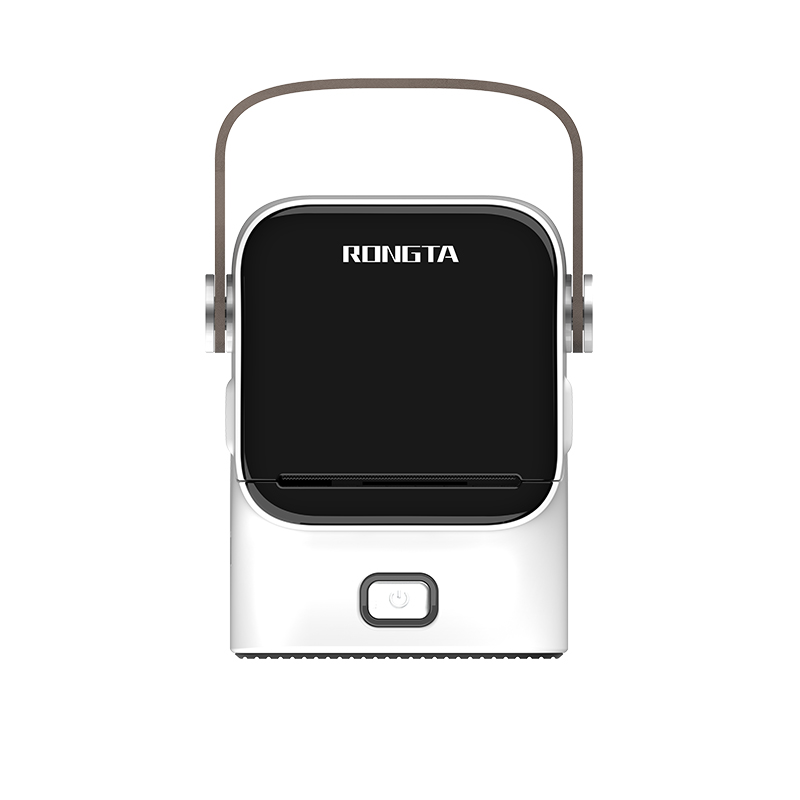 R22
R22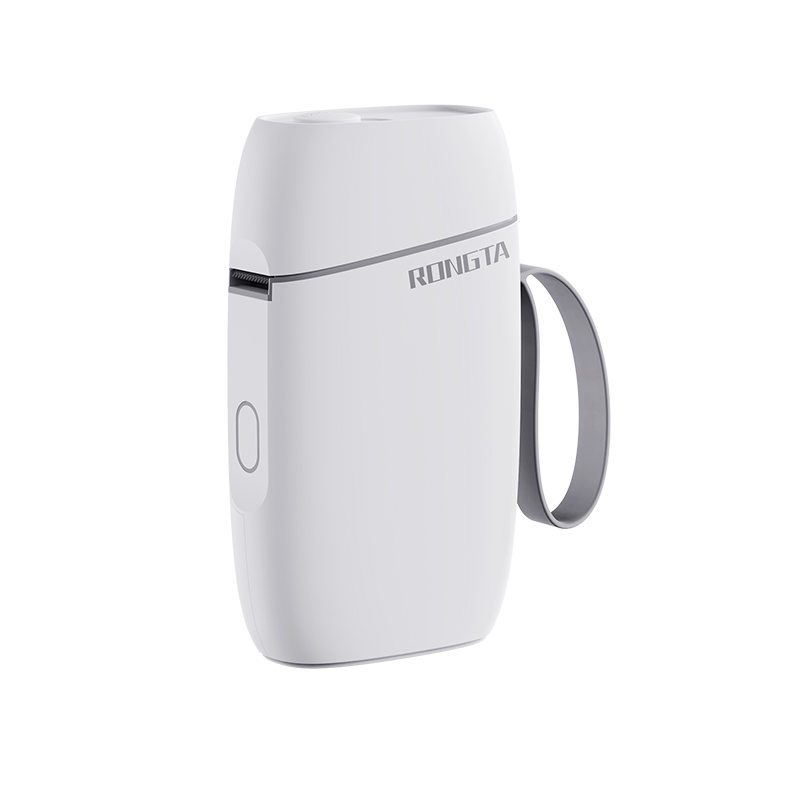 R5
R5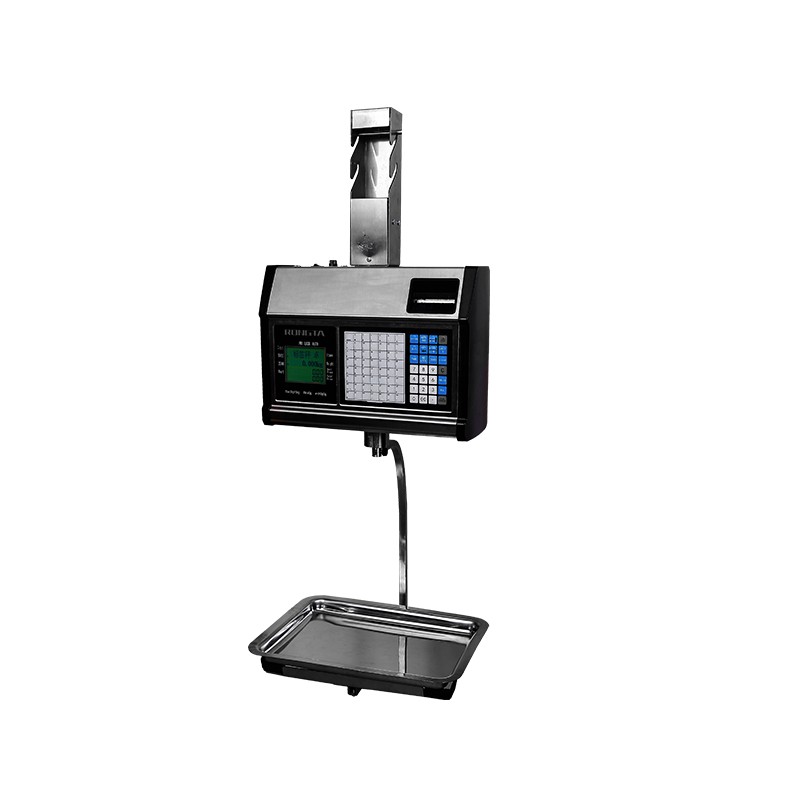 RLS1315/RLS1330
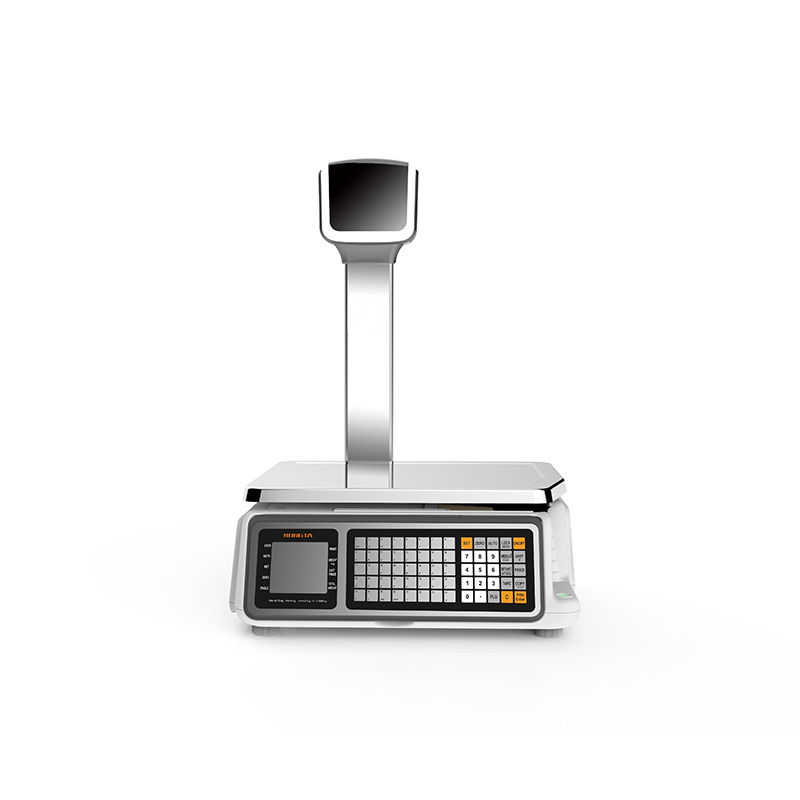 RLS1515/RLS1530
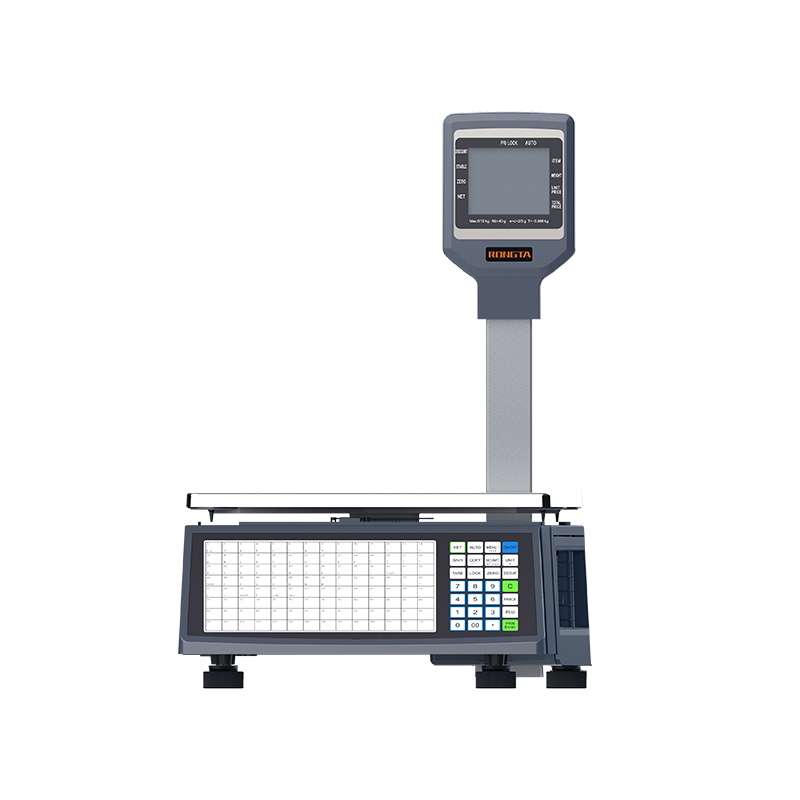 RLS1000/RLS1100A
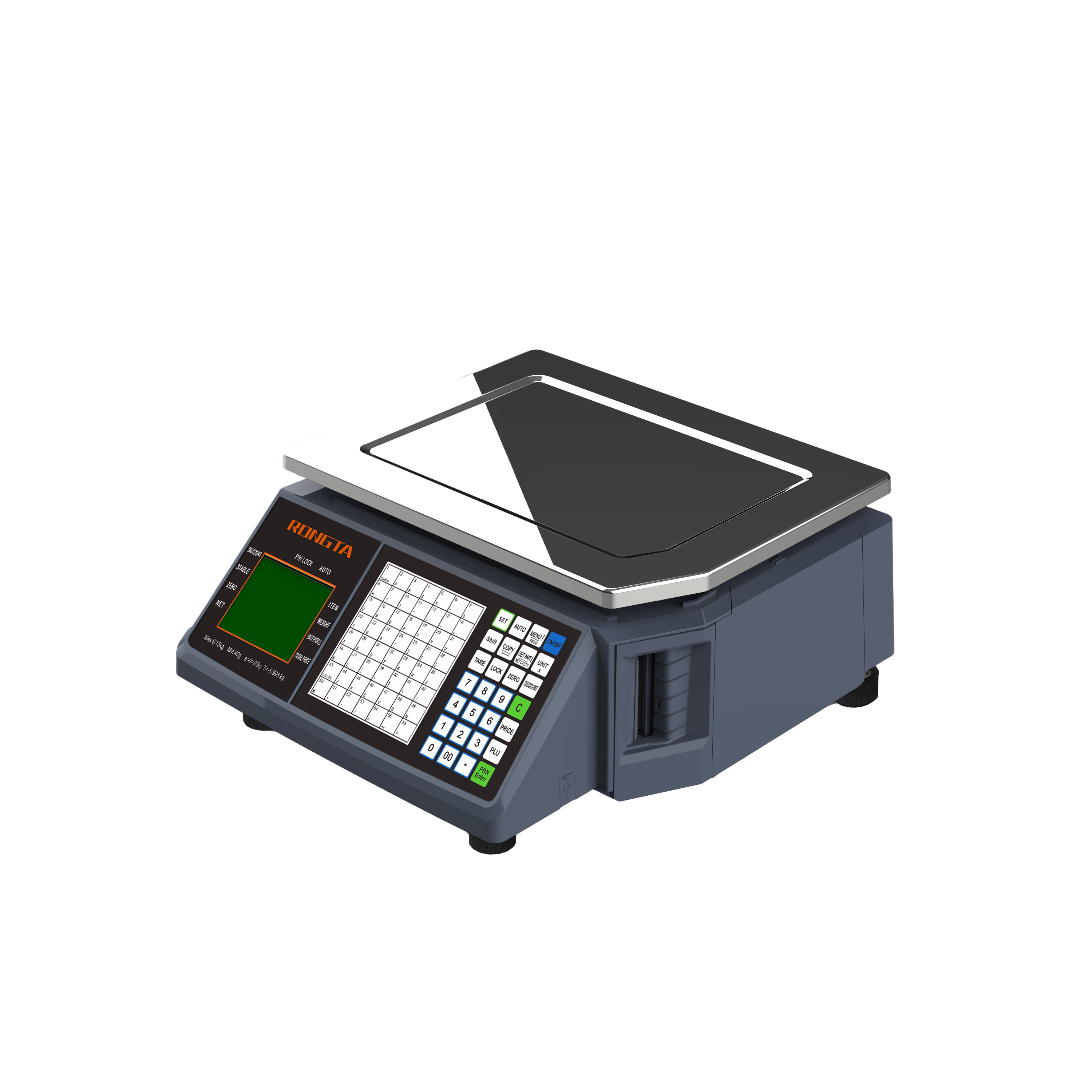 RLS1000/RLS1100B
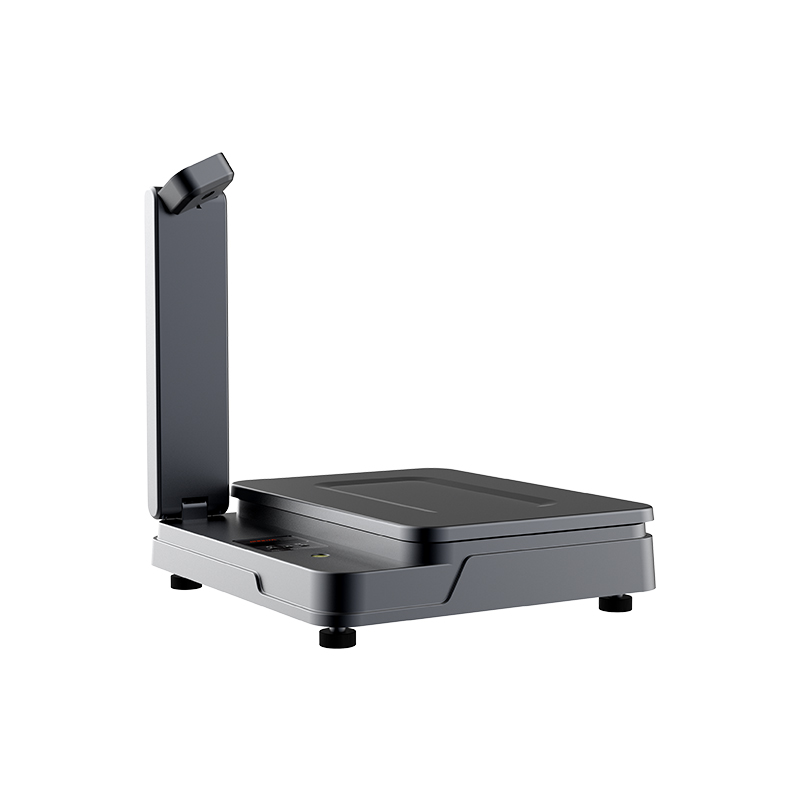 C2-AI
C2-AI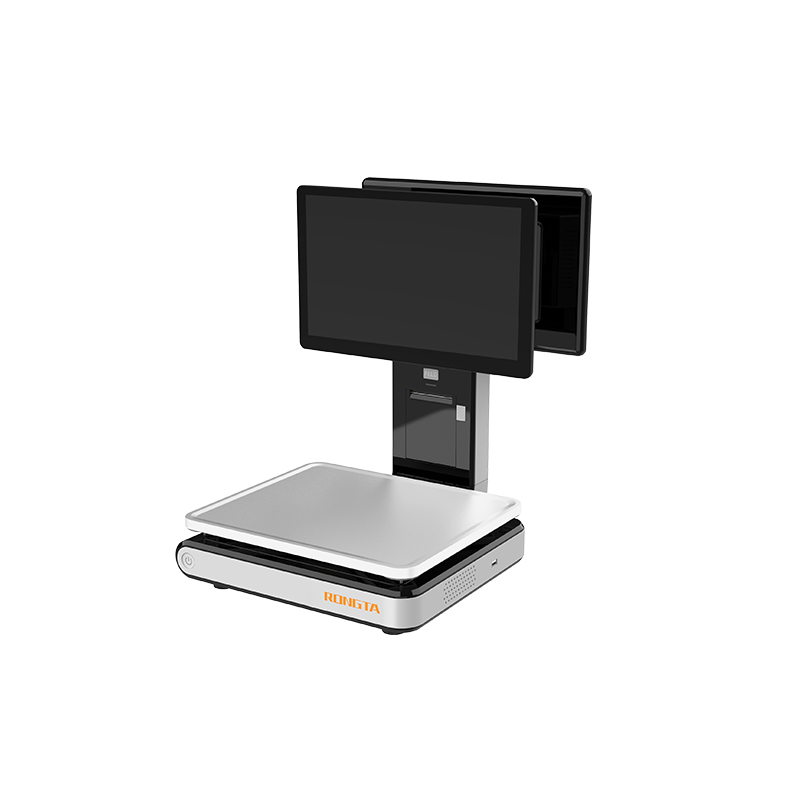 AURORA D2-AI
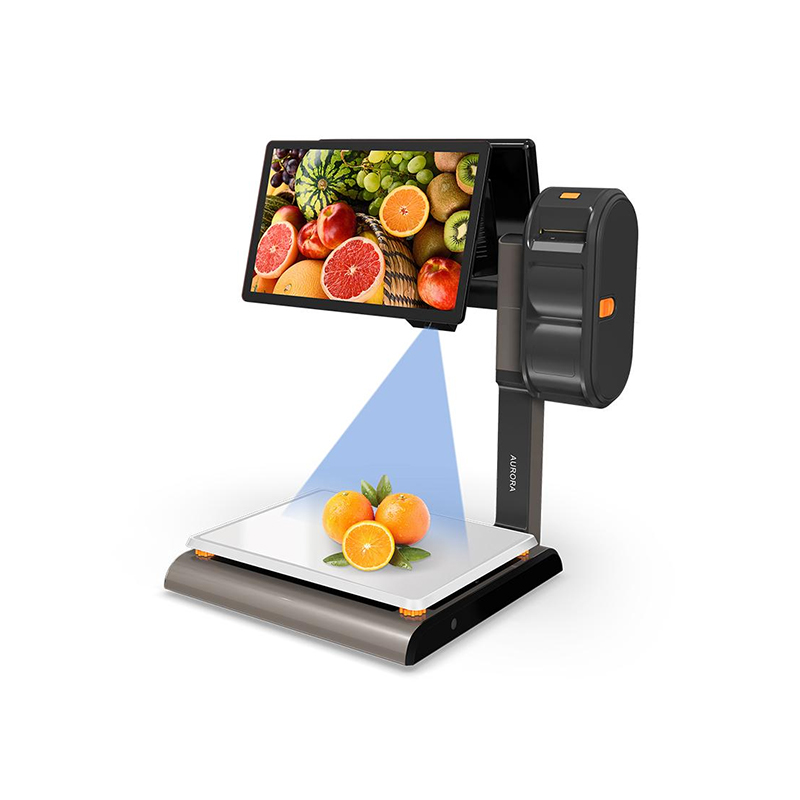 AURORA S2L-AI
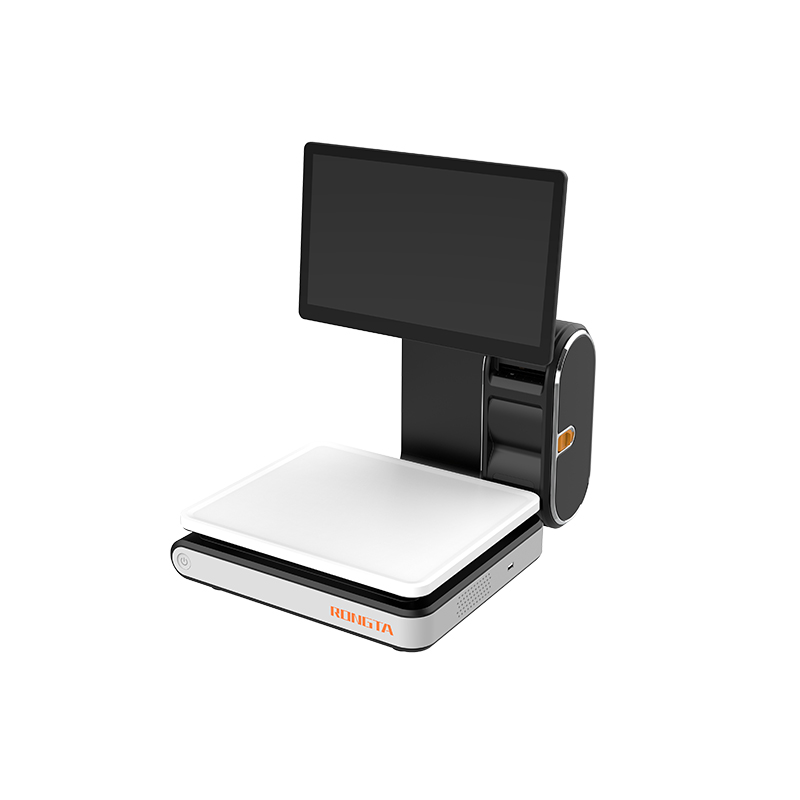 AURORA Y2L-AI
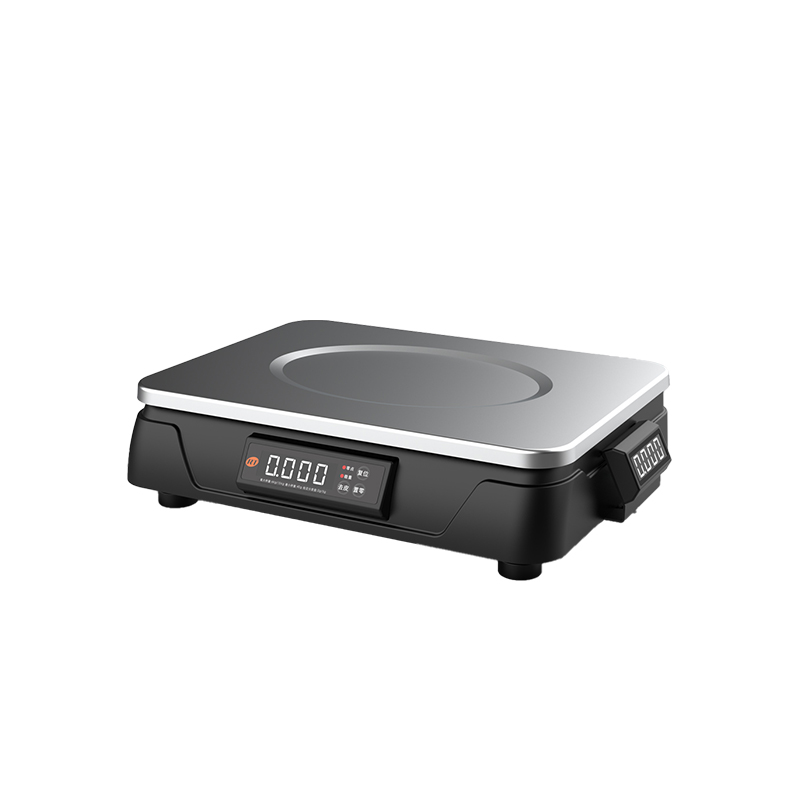 C1
C1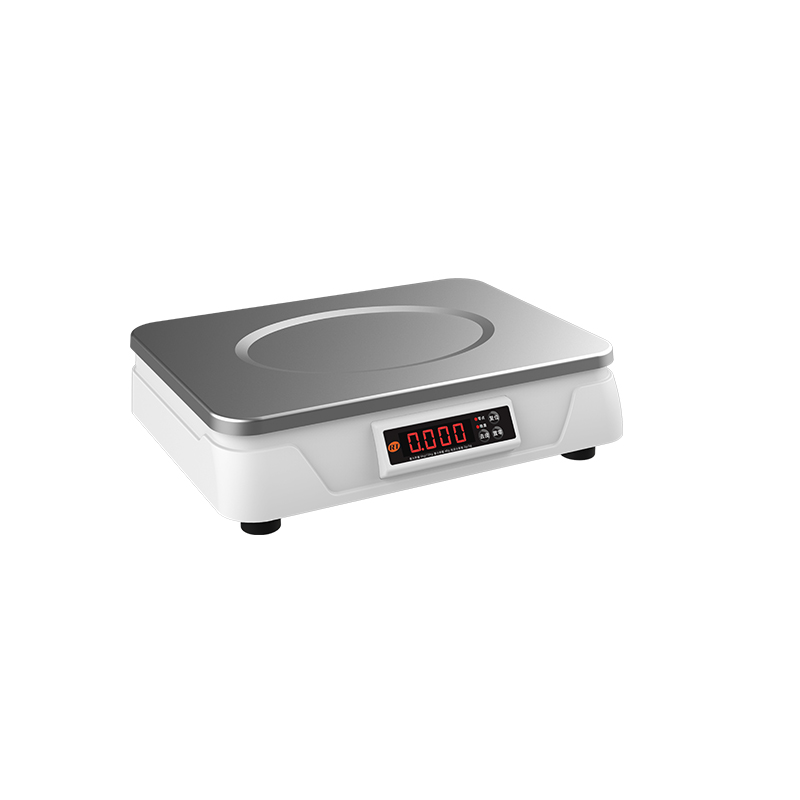 C11
C11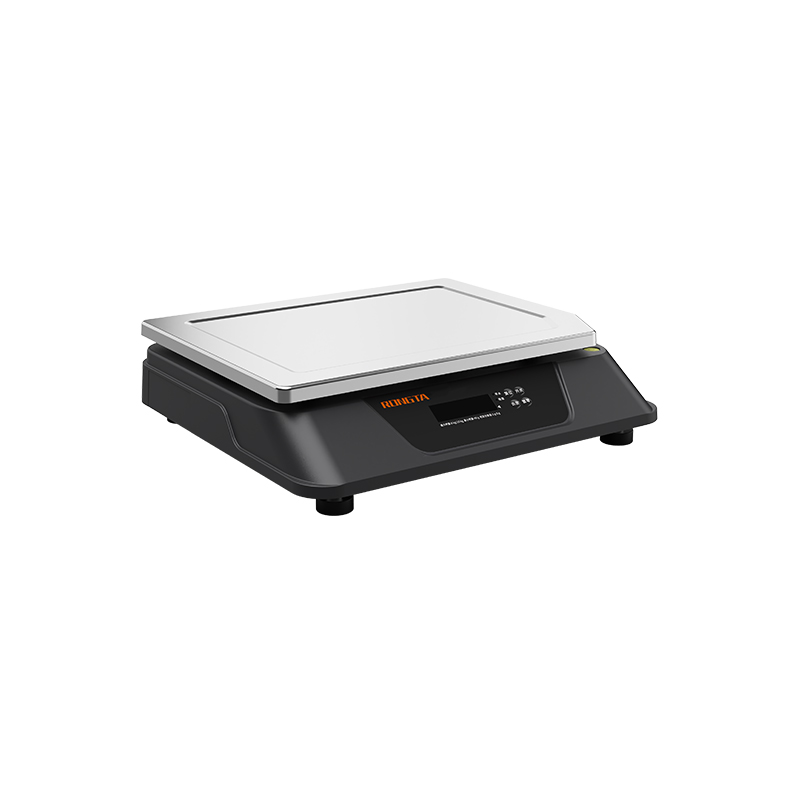 C3
C3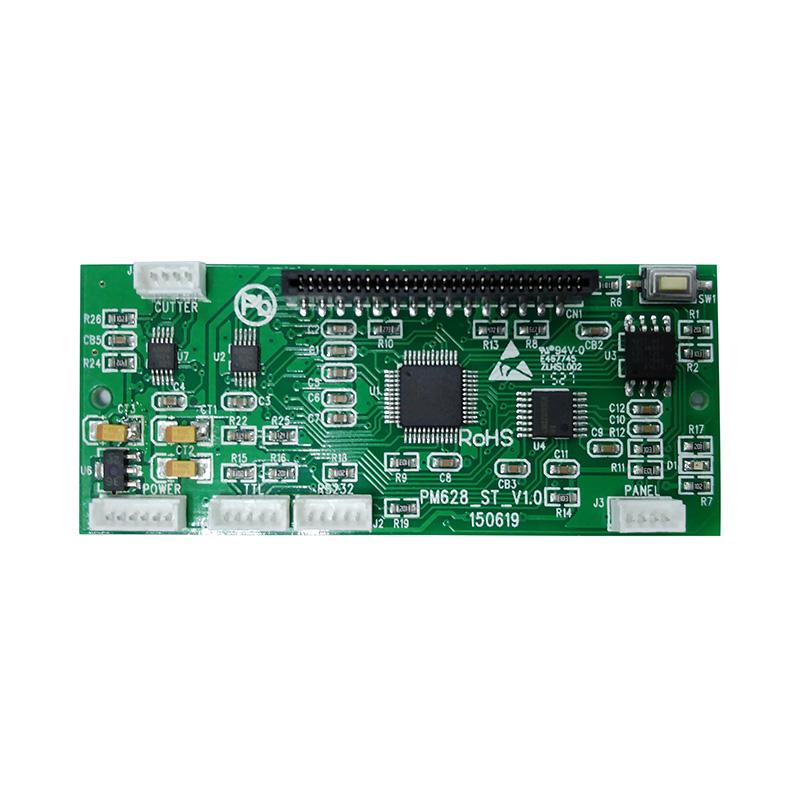 CB628
CB628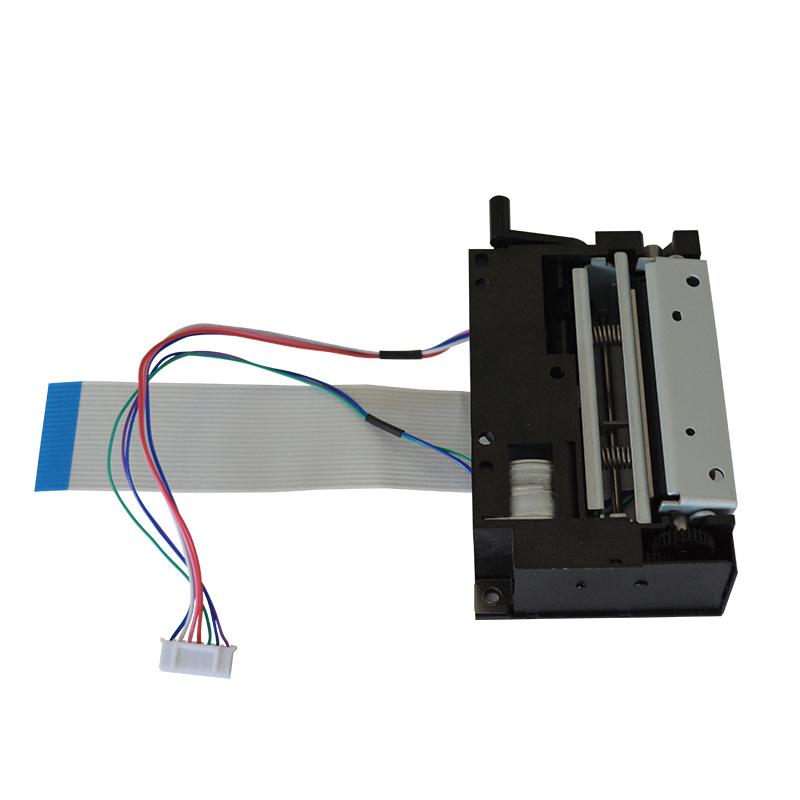 RT58
RT58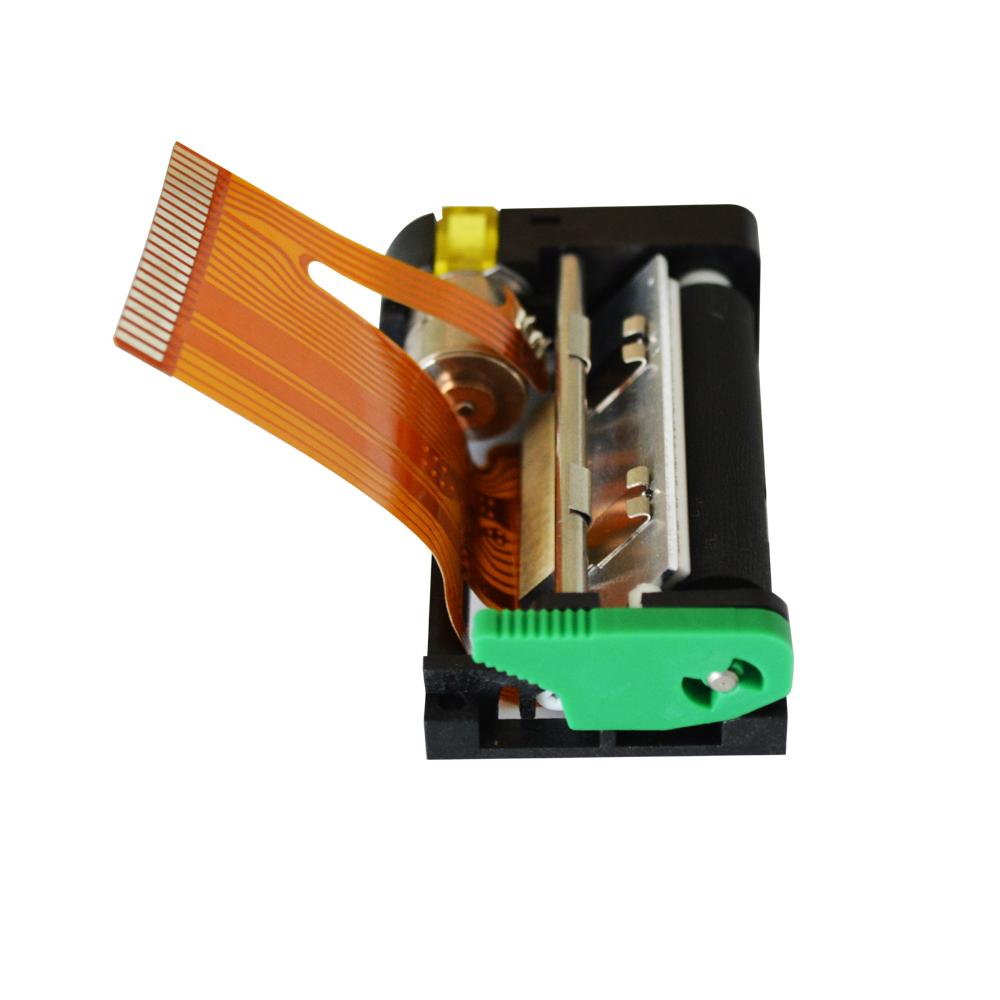 RT105
RT105 RT205MP
 RT532
RT532 PM315
PM315 RP203
RP203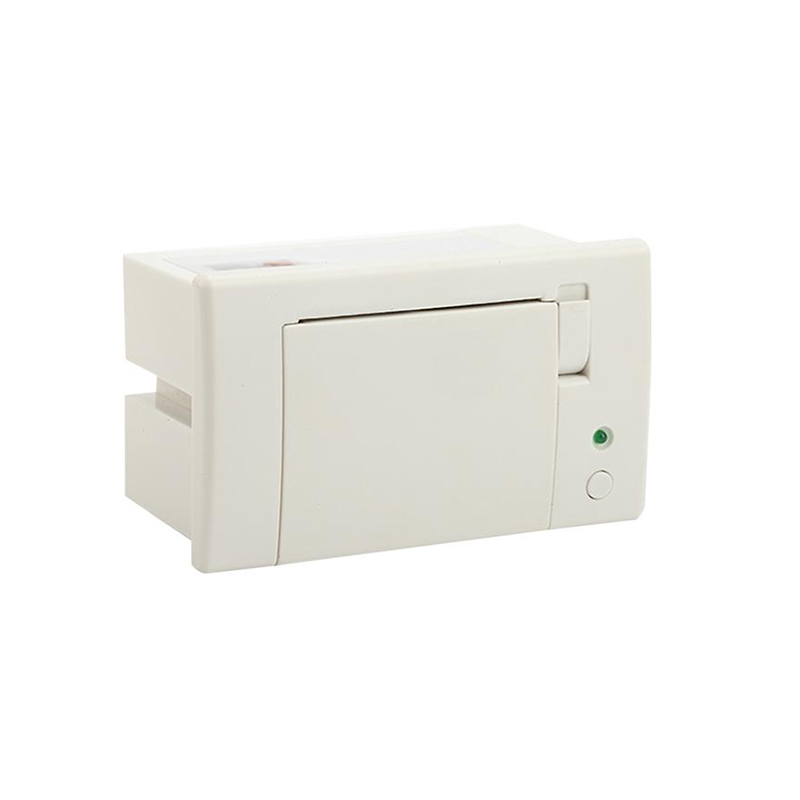 RP07
RP07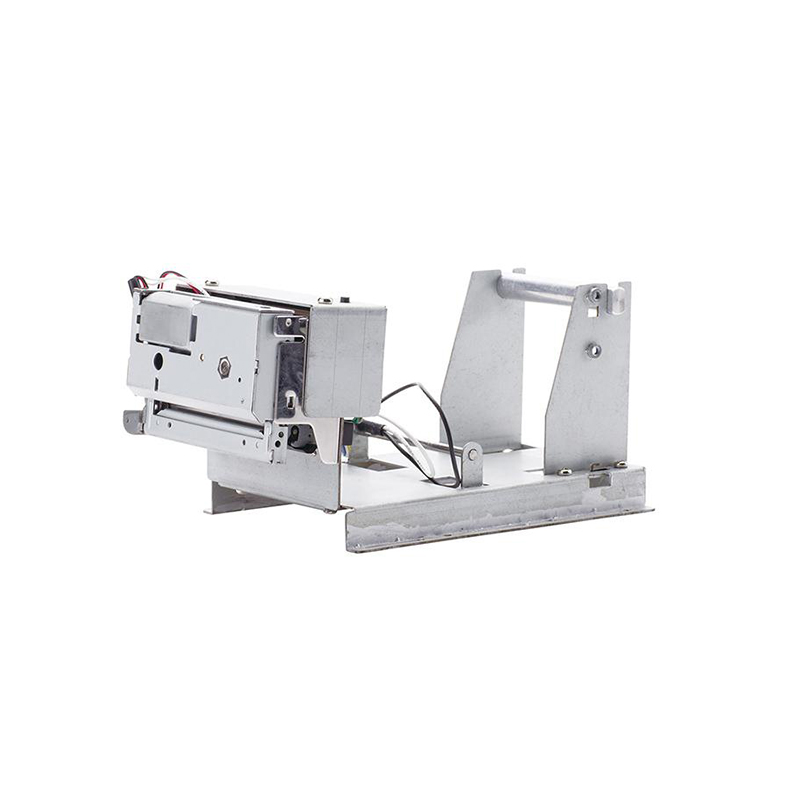 PM201
PM201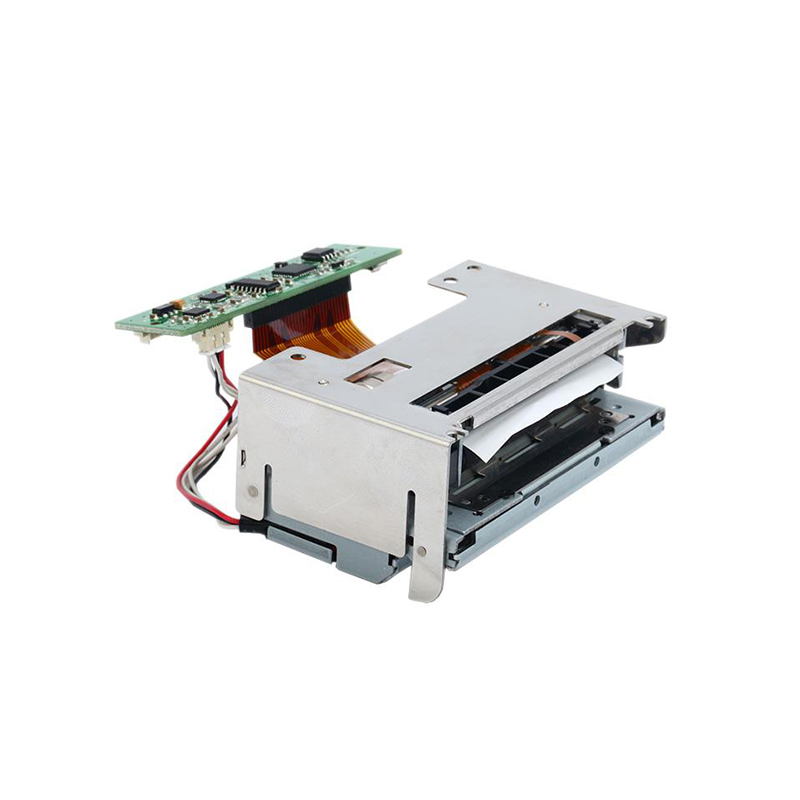 PM628
PM628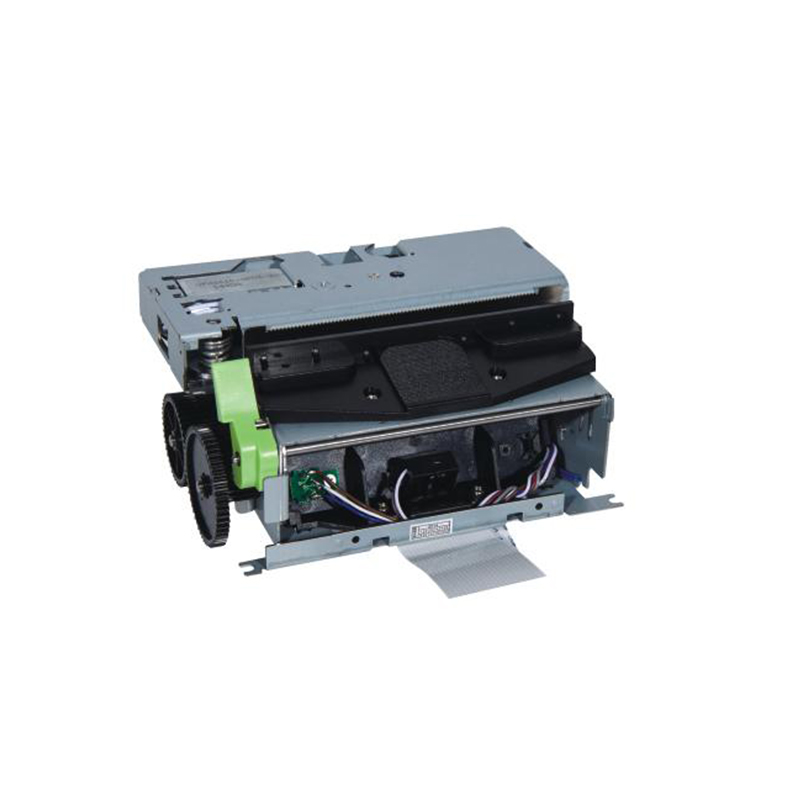 PM532A
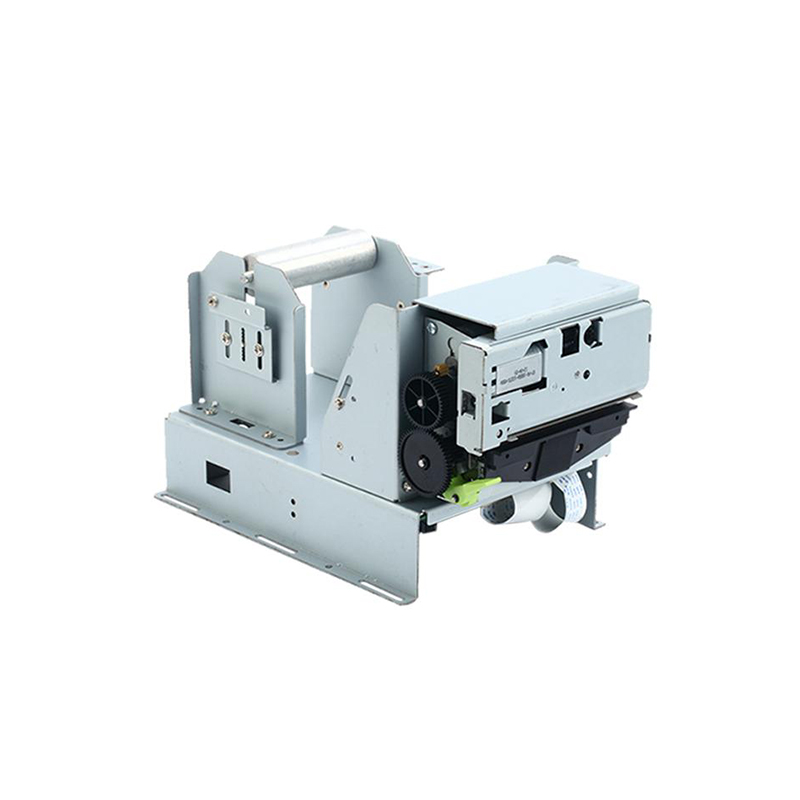 PM532B
 Retail
 Catering
 Medical
 Mobile Office/home
 Asset Management
 Logistics
 Driver Download
 User Manual
 Tool Download
 Label Design Software
 BarTender Video
 Product Video
 SDK
SDK FAQ
FAQ Company News
 Exhibitions
 Industry News
 Product News
 Rongta Introduction
 Rongta Milestones
 Awards and Qualifications
 R&D Strength
 Rongta Team Activities
 Responsibility
Feitian+rockey4+emulator11+exclusive -
generally refers to a specific version or iteration of an emulation tool designed for this purpose, potentially optimized to handle the security protocols of the Rockey4ND (which supports USB 1.1/2.0).
Feitian Technologies developed the as an advanced software defense system designed to thwart software piracy. Unlike simple serial number checks, the Rockey4 physically attaches to a computer, traditionally via a USB port, though older parallel port versions also exist.
If you do not fall into one of these categories, you are likely engaging in illegal software piracy.
"Emulator11" likely refers to a specific generation or build version of a generic multi-dongle emulator or a dedicated ROCKEY4 cloning utility. These tools usually require a "dump" or a binary copy of the real dongle's internal memory. feitian+rockey4+emulator11+exclusive
The protected software uses dynamic link libraries (DLLs) like Rockey4.dll to send queries to the hardware and expect validated, encrypted responses.
: If the software uses the Rockey4's "Module" or "Algorithm" functions (where the dongle performs actual calculations), a simple data dump might not be enough; the emulator must be able to mimic the specific mathematical response of the hardware. Security Softwares : Modern Antivirus programs often flag emulator11.sys
In the software protection world, an "emulator" isn't just a tool for playing old video games. A dongle emulator is a . Instead of plugging in the physical Rockey4, you run a virtual driver that intercepts all the application's calls to the hardware and returns the expected responses, exactly as the real dongle would. generally refers to a specific version or iteration
: A hardware-based software protection dongle used by developers to prevent unauthorized copying of their applications.
An emulator for the Rockey4ND is a software solution that simulates the presence of the physical USB key. When the software protected by the Rockey4 checks for the dongle, the emulator intercepts this request and provides the expected, valid response from the dongle.
The is a widely used USB hardware dongle (HASP-like token) for software licensing and copy protection. Over time, reverse engineers developed Emulator11 – a specialized tool that intercepts API calls to a Rockey4 and emulates its responses without the physical hardware. This write‑up explores an exclusive method of pairing a real Rockey4 with Emulator11 to create a seamless, portable license emulation environment. If you do not fall into one of
Each dongle carries a globally unique hardware ID (HID) burned in during manufacturing, alongside user-defined IDs set by the software vendor. The Verification Loop
Understanding the technology behind the dongle is crucial to appreciating the complexity of its emulation.
| Feature | Rockey4 (Legacy/Standard) | Rockey4 Smart (Modern) | | :--- | :--- | :--- | | | Standard MCU (8-bit) | EAL 4+ Smart Card Chip | | Resistance | Low (vulnerable to SPA/DPA) | High (Resistant to SPA/DPA and physical tampering) | | Custom Algorithms | 32 (Rockey4ND) | 128 (Fully definable algorithms) | | User Memory | 1000 bytes | 2000 bytes | | Migration Path | Requires recompilation of the target software | Just recompile your code – No source changes are needed for a seamless migration | | Legal Standing | Targeted for circumvention (vulnerable) | Intact & legally defensible as a robust technological measure under DMCA/Chinese law |
Disclaimer: This article is intended strictly for educational, security research, and interoperability analysis purposes. Unauthorized emulation of copyrighted commercial software may violate local intellectual property laws and End User License Agreements (EULAs).
A recurring issue with Rockey4 emulation is the memory integrity feature in Windows 11. Because Emulator11 is technically a kernel driver, Windows 11 may block its installation by default.