series is celebrated for its ethereal art style and grounded emotional stakes. While the first volume focuses on the spark of a new romance, Sotsugyousei –Winter– Graduates –Winter–
Nakamura’s signature delicate, sketch-like linework shines, with soft halftones and expressive close-ups that capture every glance, hesitation, and touch. The paneling is poetic — often using negative space and silence to say more than dialogue. The narrative remains understated but deeply affecting, trusting readers to feel the weight of unspoken emotions.
This volume often introduces more of the world outside their bubble, including the influence of their teacher, Hara-sen, whose own unrequited feelings provide a bittersweet backdrop to the main couple's success.
While Volume 1 is largely from Kusakabe’s admiring point of view, . We finally see under the surface of his aloof "gloomy" persona. Sajou’s arc here is one of self-worth. He loves Kusakabe, but he does not believe he deserves him.
Sajou is a brilliant student aiming for prestigious universities like Kyoto University.Kusakabe is a carefree musician living in the moment.As college entrance exams approach, their academic and lifestyle differences create natural friction. External Pressures
Scarf-sharing, heavy winter coats, and warm breath in the cold air are drawn with vivid detail, making the seasonal shift a character of its own. The Reading Order: Where Volume 2 Fits
Published in English by Seven Seas Entertainment, this 180-page graphic novel marks a transition from lighthearted high school infatuation to the complex, emotionally heavy realities of impending adulthood. Core Overview and Technical Specifications Classmates Vol. 2: Sotsu gyo sei (Winter) Author & Artist: Asumiko Nakamura English Publisher: Seven Seas Entertainment Release Date: August 13, 2019 Page Count: 180 pages ISBN-13: 978-1642750676 Age Rating: 14–17 years (Teen/Young Adult) Plot Progression: Navigating the Winter of Youth
For readers searching for this specific volume, you are likely looking for the continuation of that rainy day in the music room—the shift from "first love" to "first fight." This article reviews the plot, thematic weight, artistic evolution, and why this second volume is mandatory reading for any BL enthusiast.
The narrative suggests that the answer isn't a simple "yes," but rather that it requires a conscious choice from both parties. The volume excels because it treats the boys' feelings with dignity, never trivializing their problems just because they are young. Conclusion Volume 2 of the Doukyuusei series (as part of the Sotsu-gyo-sei
Sajou’s character design, in particular, softens in this volume. His perpetual scowl—a defense mechanism from Volume 1—begins to crack. Nakamura draws his eyes slightly rounder, his shoulders less hunched. When he smiles (a rare, precious event), it is not a triumphant grin but a small, crooked, almost surprised curve of the lips. Kusakabe, for his part, loses some of his puppy-dog exuberance. We see him tired, confused, and insecure—a far cry from the confident class representative who first tutored Sajou.
Are you writing this for a or a manga review blog ? Share public link
Sajou is intensely focused on passing his rigorous university entrance exams to pursue a prestigious higher education. Conversely, Kusakabe is navigating his identity as a musician, balancing local gigs with an uncertain career path.
Asumiko Nakamura's unique art continues to be a highlight for readers:
When a familiar face from Sajou’s past returns, bringing hints of an unspoken history, old jealousies and fresh misunderstandings threaten to undo the delicate chord they’ve struck. Hikaru must decide if he’s willing to take their relationship seriously, while Rihito learns that love isn’t a problem to be solved—it’s a melody you have to learn to sing together.
Sajou is intensely focused on passing rigorous university entrance exams. His goal is to attend a prestigious university in Kyoto, which would physically separate him from Kusakabe.
Doukyuusei Volume 2 is the essential middle chapter—the one that proves first love can survive the first fight, the first doubt, and the terrifying question of “what’s next.” Asumiko Nakamura has not just written a romance; she has composed a chamber piece for two broken instruments learning to play in harmony. Essential reading for anyone who believes that the loudest love is often the quietest.
: Asumiko Nakamura’s art is frequently cited as a "visual masterclass," using a flowing, watercolor-like style that captures movement and emotion better than standard manga panels.

 Automation Systems
  Motion & Power Solutions
  Safety, Vision and IDENT
  Sensing Solutions
  Control Components
  Switching & Accessories
 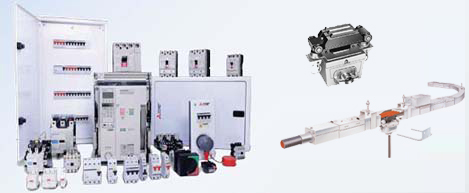 Switchgear and Trolley Systems
  Process Weighing
  LED Lighting
  Omron
Omron
 Mitsubishi
 Delta
Delta
 Autonics
 Inno
Inno
 Panasonic
 Novotechnik
 Orientalmotor
 Microscan
 IPA
IPA
 Technomech
 Intech
 Honeywell
 IOT & Traceability
 Project & Panel Engg.
 Application Case Studies
 Solutions by Industry
 Solutions by Process
 Solutions by Product
 Youtube Videos
 Corporate Information
 Company Profile
 Quality Policy
 Mission Statement
 Chairman's Message
 Intech Group Companies