…don't search – find!
…don't search – find!
…don't search – find!

To help determine the best repair method for your device, let me know: What is the of your phone?
A phone micro DB crack is a hidden threat to your smartphone's longevity. By understanding the subtle warning signs—like ghost touches and microscopic light refractions—you can address the issue before it escalates into an expensive, unfixable display failure. Protect your device with a rigid case, minimize exposure to extreme temperatures, and consult a professional technician at the first sign of internal display instability.
: Make a call to a friend or family member and ask if they hear your voice clearly.
Not all 64GB chips are the same. A chip from a Samsung phone might not work on a Xiaomi phone, even if the capacity is identical. PhoneMicroDB allows you to look up a phone model and find all compatible chip manufacturers (Samsung, SK Hynix, Toshiba, Micron, etc.) that can act as a direct replacement. 2. Identifying "Cracked" or Dead Chips
Technicians can use the software (often integrated with or used alongside repair tools like Borneo Schematics ) to identify chip compatibility.
Because you cannot feel a micro DB crack on the surface of your screen, you must rely on visual and functional cues to diagnose it. Look out for the following warning signs: 1. "Ghost" Touching or Unresponsive Areas
: NAND flash memory is brittle; a physical crack through an eMMC chip typically results in total data loss because internal logical structures are destroyed.
: Using cracked software is a form of software piracy, which is a violation of intellectual property laws. While the focus is often on corporate enforcement, individuals can still face legal repercussions, which may include financial penalties.
Once you have the .db file, it is usually unencrypted by default.
Modern phones encrypt data at the hardware level. A micro crack near the security enclave or database sectors can cause the phone to suddenly demand a password it claims is incorrect, locking you out entirely. Risks of Ignoring a Micro DB Crack
Use another phone or camera with a dedicated macro lens to take close-up photos of the screen borders while a white screen is displayed. Functional Warning Signs
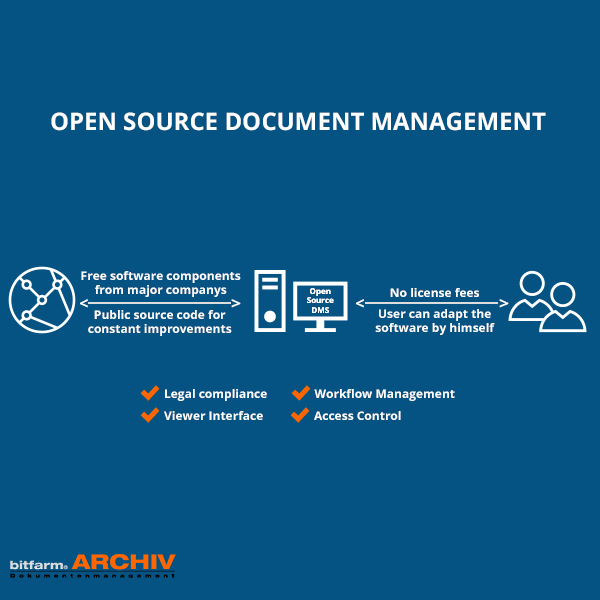
Let's be blunt: Traditional document management is a time-sink and a headache. Searching for files is inefficient, physical storage is costly, and the risk of losing important information is always present. You might be thinking, “Okay, but why open-source? What’s the catch?” Here’s the good news: there isn’t one. Using an open-source DMS is like getting a five-star meal without the bill. It saves you time, cuts storage costs, and packs powerful features—all for free. Here’s why it’s worth a closer look:
A DMS solves these problems. But why choose an open-source DMS? Here's the breakdown:
No Price Tag, Big Value: Forget hefty license fees or per-document charges. Open-source DMS are free to download and use, whether you’re a solo user or a growing company. Need support? It’s usually affordable, thanks to clever developers reusing existing tools. Phone Micro Db Crack
Total Flexibility: Want your DMS to sync with your ERP or accounting software? With open-source code, you can tweak it yourself—no expensive consultants required. It’s your system, your rules.
Low Stakes, High Rewards: New to digital document management? Open-source lets you dip your toes in without drowning in costs. If it doesn’t work out, you’ve lost nothing but a little time. To help determine the best repair method for
Simply put, an open-source DMS gives you control, saves you money, and works just as hard as those pricey proprietary systems. Small businesses love it, big teams swear by it, and even private users can organize their home files for free. So, why not give it a shot?
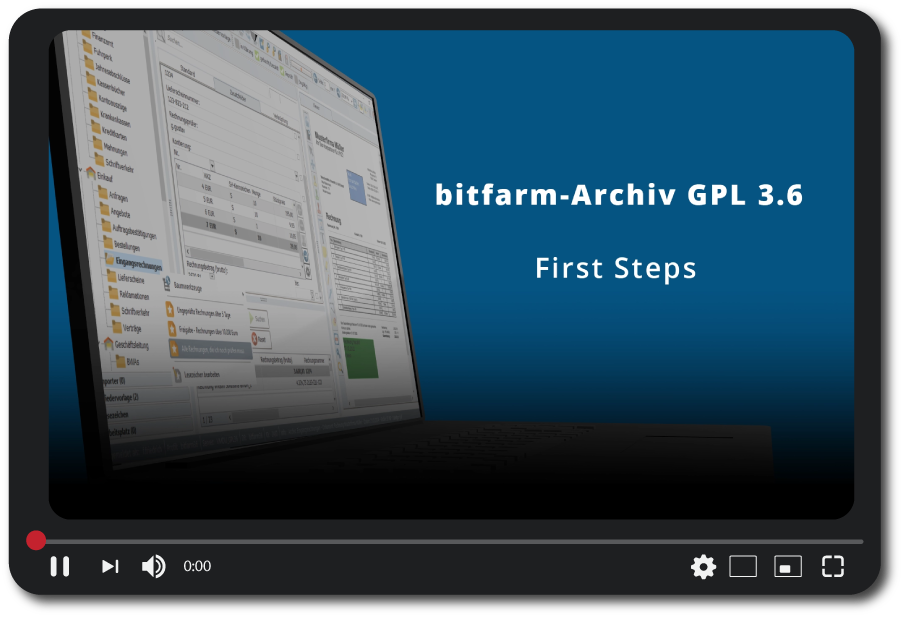
Are you interested in the basic functions of a DMS? Take a look at our video, where we demonstrate simple actions within a system. Protect your device with a rigid case, minimize
The world of open-source DMS is buzzing with choices. Here’s a quick peek at some popular players:
Each has its own advantages, from slick interfaces to specialized features. But since every company (or home office) is different, we won’t bore you with a one-size-fits-all comparison. The trick is picking the one that matches your needs—which brings us to the next big question.
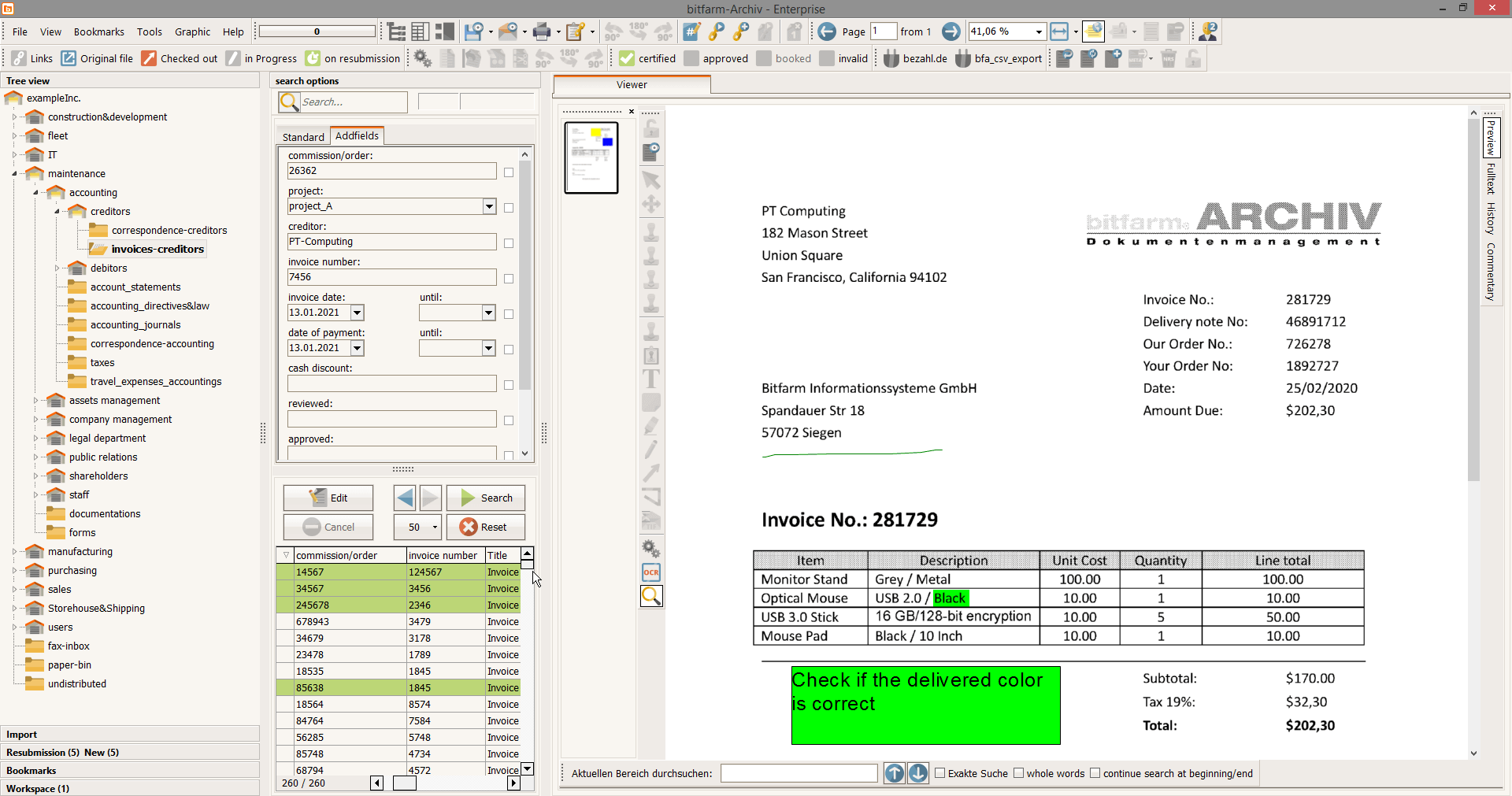
Finding the right open-source DMS isn’t about grabbing the shiniest toy off the shelf. It’s about what fits your workflow, your team, and your goals. To make it easy, we’ve rounded up six key criteria that matter to almost everyone. Let’s dive into each one—don’t worry, we’ll keep it simple and fun.

To help determine the best repair method for your device, let me know: What is the of your phone?
A phone micro DB crack is a hidden threat to your smartphone's longevity. By understanding the subtle warning signs—like ghost touches and microscopic light refractions—you can address the issue before it escalates into an expensive, unfixable display failure. Protect your device with a rigid case, minimize exposure to extreme temperatures, and consult a professional technician at the first sign of internal display instability.
: Make a call to a friend or family member and ask if they hear your voice clearly.
Not all 64GB chips are the same. A chip from a Samsung phone might not work on a Xiaomi phone, even if the capacity is identical. PhoneMicroDB allows you to look up a phone model and find all compatible chip manufacturers (Samsung, SK Hynix, Toshiba, Micron, etc.) that can act as a direct replacement. 2. Identifying "Cracked" or Dead Chips
Technicians can use the software (often integrated with or used alongside repair tools like Borneo Schematics ) to identify chip compatibility.
Because you cannot feel a micro DB crack on the surface of your screen, you must rely on visual and functional cues to diagnose it. Look out for the following warning signs: 1. "Ghost" Touching or Unresponsive Areas
: NAND flash memory is brittle; a physical crack through an eMMC chip typically results in total data loss because internal logical structures are destroyed.
: Using cracked software is a form of software piracy, which is a violation of intellectual property laws. While the focus is often on corporate enforcement, individuals can still face legal repercussions, which may include financial penalties.
Once you have the .db file, it is usually unencrypted by default.
Modern phones encrypt data at the hardware level. A micro crack near the security enclave or database sectors can cause the phone to suddenly demand a password it claims is incorrect, locking you out entirely. Risks of Ignoring a Micro DB Crack
Use another phone or camera with a dedicated macro lens to take close-up photos of the screen borders while a white screen is displayed. Functional Warning Signs


Are you interested in more information around the topic of documentation management (open source)?

"The growth of the last few years would not have been possible without bitfarm-Archiv."