


सूक्ष्म, लघु और मध्यम उद्यम पंजीकरण
UDYAM / MSME ONLINE PORTAL - PRIVATE





Understanding why such terms permeate Indonesian digital spaces requires looking past the vulgarity and examining the cultural, legal, and systemic forces at play. 1. The Weaponization of Language and Gender Imbalance
Here is an exploration of the underlying issues this topic highlights. The Digital Underworld: Privacy, Consent, and Ethics
: The reaction to a phrase like "Cewe di entot" can also reflect the prevailing moral and cultural values within Indonesian society. There may be conservative voices that see such expressions as a challenge to traditional norms and values, while others may view them as a harmless expression of modernity and freedom.
If you would like to explore this topic further, let me know if you want to focus on in Indonesia, the sociological history of Bahasa Gaul (slang) , or an analysis of how the UU TPKS law is implemented by local authorities. Share public link bokep cewe mesum di entot kuda 2021
: The way Indonesians, especially the younger generation, communicate about relationships and sexuality indicates a rapid cultural evolution. There's a growing demand for more open discussions about topics that were previously considered taboo.
Indonesian society has traditionally been patriarchal, with men often holding positions of power and authority. However, the rise of "cewe di entot" as a cultural phenomenon signals a challenge to these traditional gender roles. Women are increasingly embracing their autonomy, making choices about their relationships, careers, and personal lives. This shift is reflected in the growing number of women in leadership positions, the increasing popularity of female-led businesses, and the emergence of feminist movements.
It reinforces gender inequality by perpetuating the notion that women's value lies in their relationships with men, preferably those of higher socio-economic status. The Digital Underworld: Privacy, Consent, and Ethics :
Addressing the root causes of online exploitation requires a multi-faceted approach that goes beyond legal punishment to shift cultural mindsets.
Despite strict government internet censorship (such as the Internet Positif initiative blocking adult websites), the high search volume for explicit local terms demonstrates a massive underground demand. This creates a paradox where explicit material is publicly condemned but privately consumed on a massive scale. 5. Moving Toward Digital Safety and Awareness
The high volume of raw, aggressive search terms also highlights a systemic gap in Indonesian education: the lack of formal, comprehensive sex education. Share public link : The way Indonesians, especially
Content creators or illicit sites use highly vulgar local keywords to drive traffic, monetize clicks, and exploit the privacy of the individuals involved. 2. Victim Blaming and Gender Disparities
Indonesian culture largely upholds a "modesty culture," where female sexual suppression is expected. Double Standards
Healthy relationships are distorted by the aggressive, often degrading tropes found in amateur adult media. Conclusion
The Information and Electronic Transactions Act (UU ITE) and the 2008 Pornography Law criminalize the distribution of obscene material.
The phrase "Cewe di entot" serves as a lens through which to view evolving gender dynamics, the use of language among younger generations, and broader social issues in Indonesia. Its significance lies not just in its literal meaning but in how it reflects and influences societal attitudes towards gender roles, power dynamics, and cultural expression. Understanding such phrases requires a nuanced approach that considers the complexities of cultural change, social norms, and individual expressions within the Indonesian context.
 Fill Application Form Above
 Make Online Payment
 Get Call OTP Verification
  Receive Confirmation Mail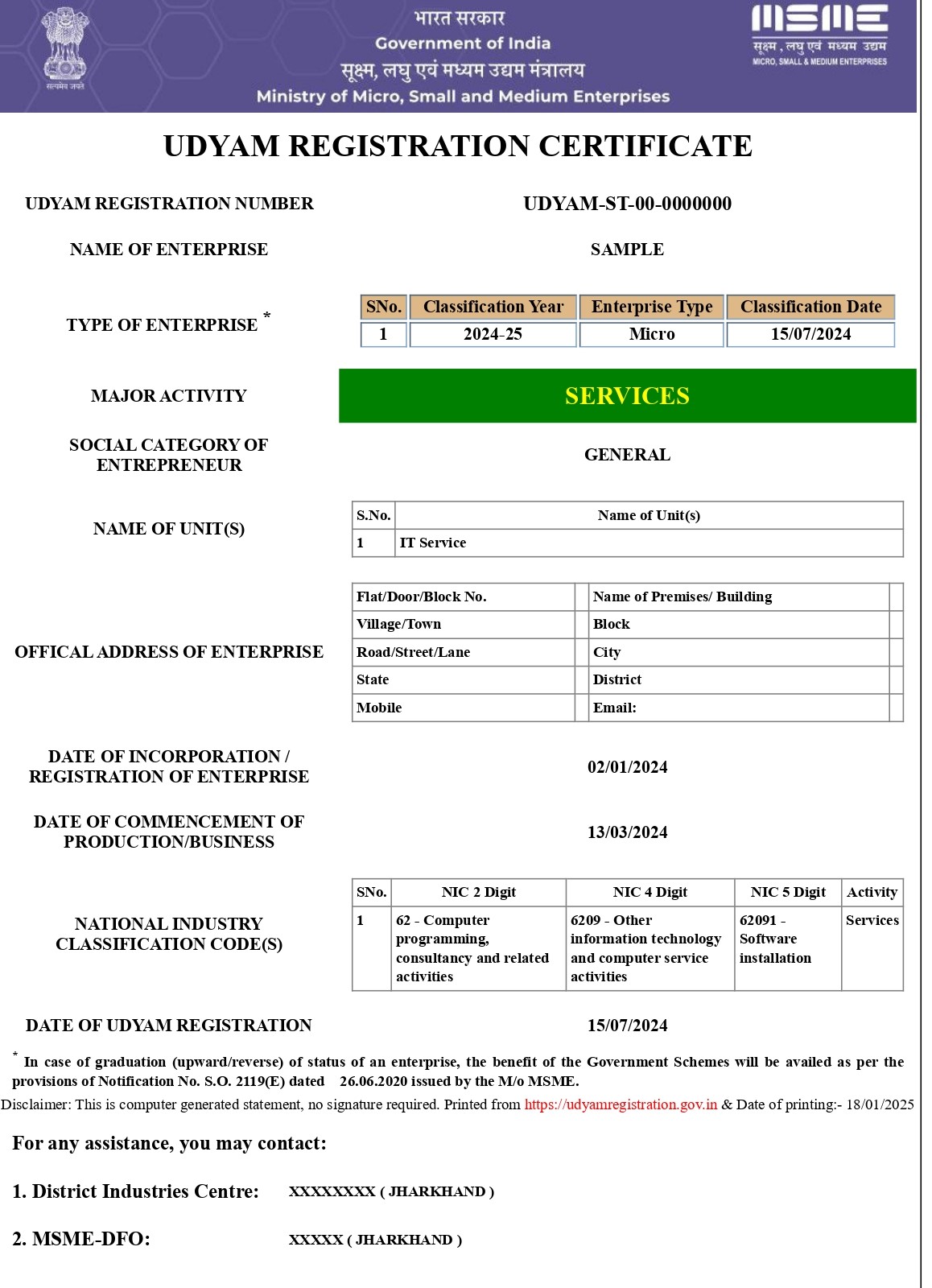
Ricky Manchanda, from Haryana
Recently Applied For UDYAM Certificate