Outside the USA?
We're sorry, but we don't ship outside the United States. Often the cultures don't survive the trip, or they get stuck in customs for several weeks.
Here's a list of resources you can use to find cultures:
If you haven't changed these since your initial setup, your site is vulnerable to a "brute force" or "credential stuffing" attack. Once a malicious actor gains access to the CuteNews dashboard, they can upload shells, inject malicious scripts, or delete your entire news archive. How to Strengthen Your CuteNews Security
Many legacy Content Management Systems (CMS) like CuteNews ship with default administrator credentials or easily guessable installation paths. If a user fails to update these settings immediately after deployment, automated botnets and malicious actors can easily exploit them.
To move beyond "default" and secure a CuteNews installation, consider these steps: Immediate Change: Change the default username and password immediately upon installation. Captcha Verification: Ensure your registration page uses a functional captcha.php cutenews default credentials better
Weak or default admin passwords act as a master key, allowing attackers to bypass the typical safeguards that protect your website. Here are the most dangerous vulnerabilities attackers can exploit once they have your login credentials.
: You will often see this phrase in CTF (Capture The Flag) write-ups or vulnerability databases like Exploit-DB when discussing how to gain an initial foothold on a server running legacy versions of CuteNews (e.g., v2.1.2 or earlier). How to Make it "Better" (Secure) If you haven't changed these since your initial
Changing default credentials is a crucial step in securing your CuteNews installation. By doing so, you:
Regularly backup your news content and database to prevent data loss in case of an attack or technical failure. If a user fails to update these settings
Regularly check the official CuteNews channels for security bulletins.
If the default username and password combinations are left unchanged, attackers gain instant administrative access.
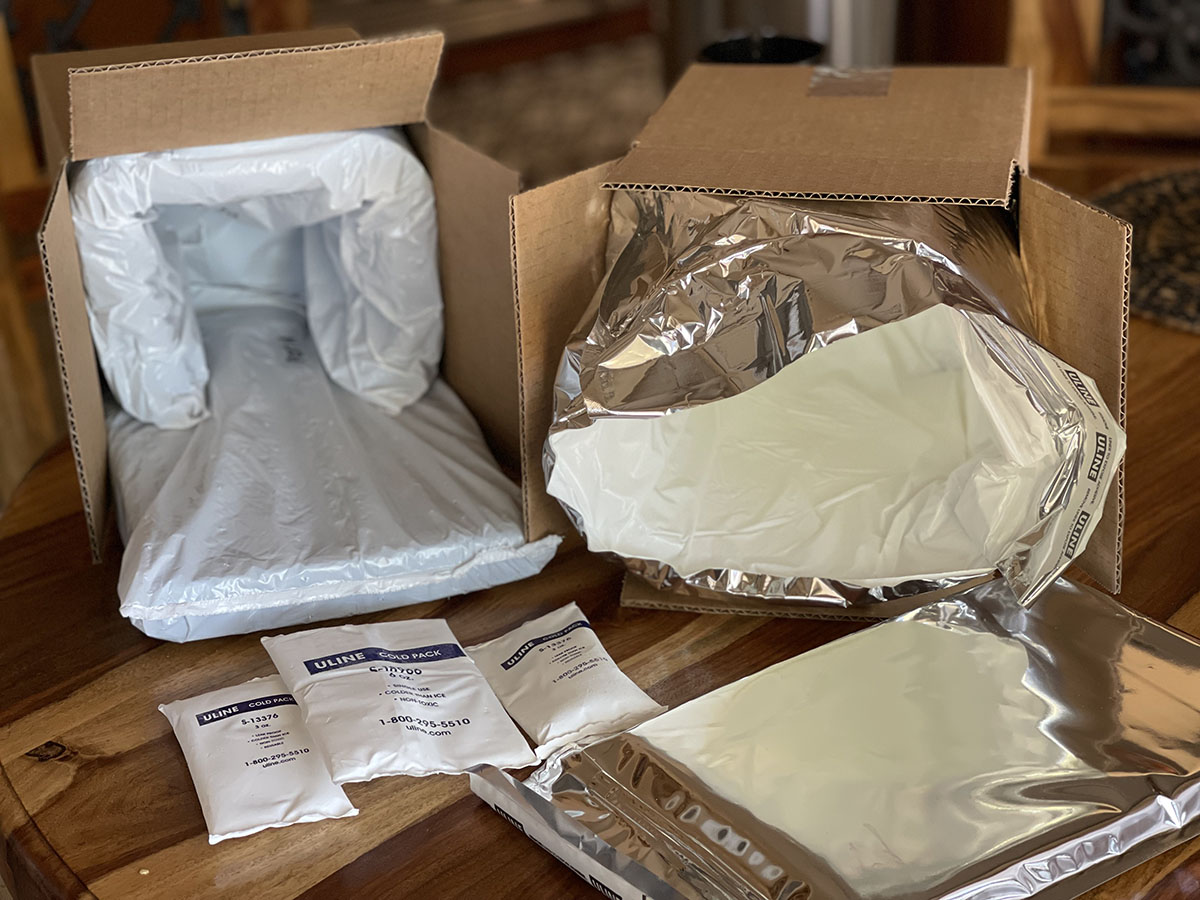
If it's hot in your area (between 90°-100° F), we recommend having your order shipped with insulated packaging and ice packs.
Here are a few things you should know: