Mtksu Failed Critical Init Step 3 Hot (2026 Edition)
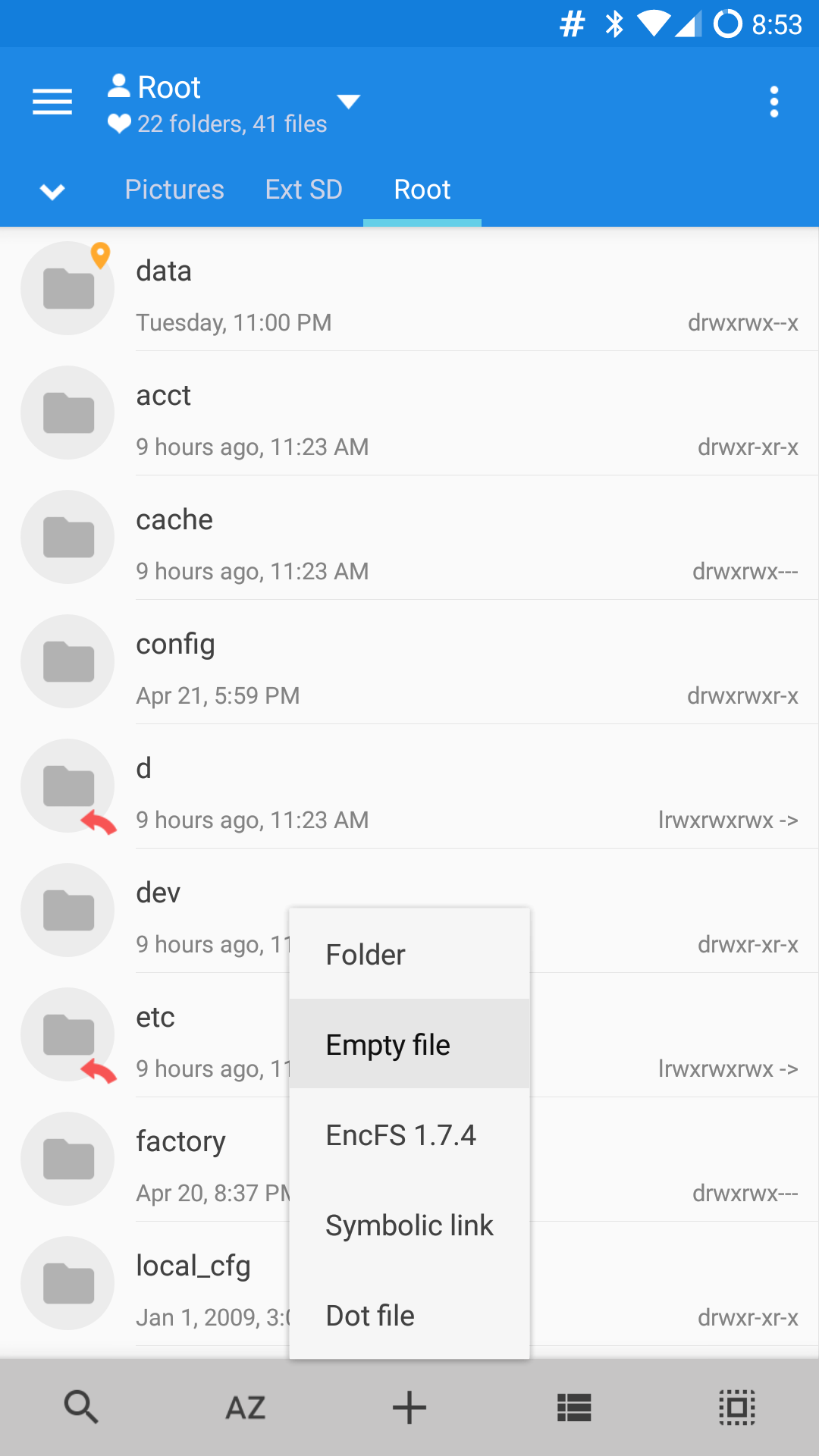
An Android file explorer

Download
The entire foundation of mtk-su rests on this vulnerability in the MediaTek CMDQ driver. Although MediaTek was informed of the flaw in and Google patched it in its March 2020 Android Security Bulletin, the vulnerability remained exploitable for months on unpatched devices. Security researchers have classified variants of the exploit as threats like Exploit.AndroidOS.MtkSu.a , a type of Trojan that can perform activities without the user's knowledge. The combination of these factors has led to a mixed legacy for mtk-su: it's both a powerful tool for enthusiasts and a significant security risk if misused.
Disconnect the USB cable. Then:
The exploit is viable. Double-check your hardware configuration. mtksu failed critical init step 3 hot
mtk da seccfg unlock --hotmode-off
Understanding why this step fails is essential for developers, Android enthusiasts, and reverse engineers attempting to gain temporary root access on older or low-end MediaTek-powered smartphones and tablets (such as older Amazon Fire tablets or legacy Oppo, Vivo, and Xiaomi models). Technical Context: What is mtk-su ? The entire foundation of mtk-su rests on this
If you are seeing this error, it is because the exploit is failing to run on your specific device and firmware combination. Based on extensive community reports, here are the primary causes and solutions:
My personal diagnostics showed:
If you’d like, I can convert this into a troubleshooting checklist, a short incident postmortem, or a concise root-cause summary for an engineering ticket. Which would you prefer?
Use SP Flash Tool to dump your device's stock boot.img file. Install the official Magisk App on your phone. The combination of these factors has led to
Modern versions of Android rely heavily on strict SELinux rules. During Step 3, the script attempts a hot switch of namespaces ( setns ) to escape the restrictive sandbox of standard apps. If the firmware includes hardened SELinux separation rules or an aggressive file system design, it will deny permission to overwrite the active context. 3. File System Permissions and Wrong Directories