Juego de caracteres
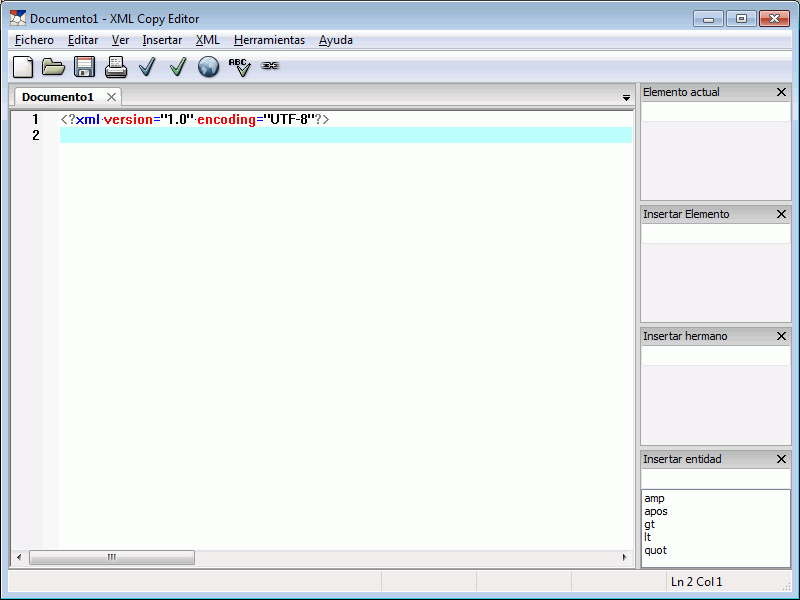
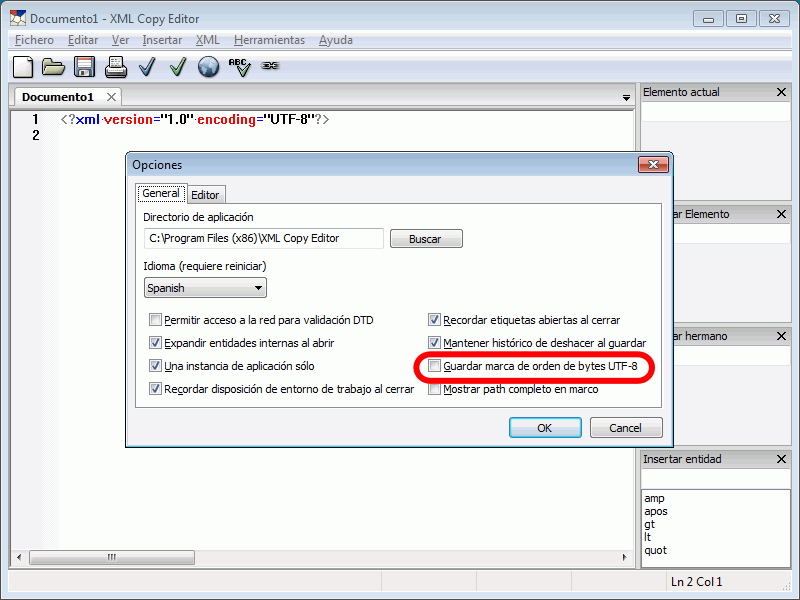
La declaración xml indica el juego de caracteres del documento. El juego de caracteres que se utiliza en este curso es UTF-8:
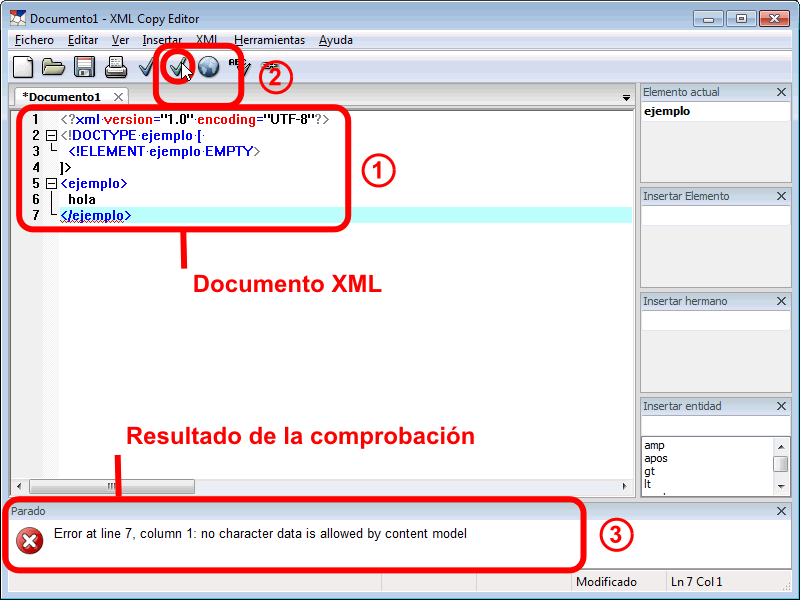
<?xml version="1.0" encoding="UTF-8"?>
Se pueden utilizar otros juegos de caracteres, como ISO-8859-1 (Europeo occidental):
<?xml version="1.0" encoding="ISO-8859-1"?>
Es importante que el juego de caracteres que aparece en la declaración sea el juego de caracteres en que realmente está guardado el documento, porque si no el procesador XML puede tener problemas leyendo el documento.
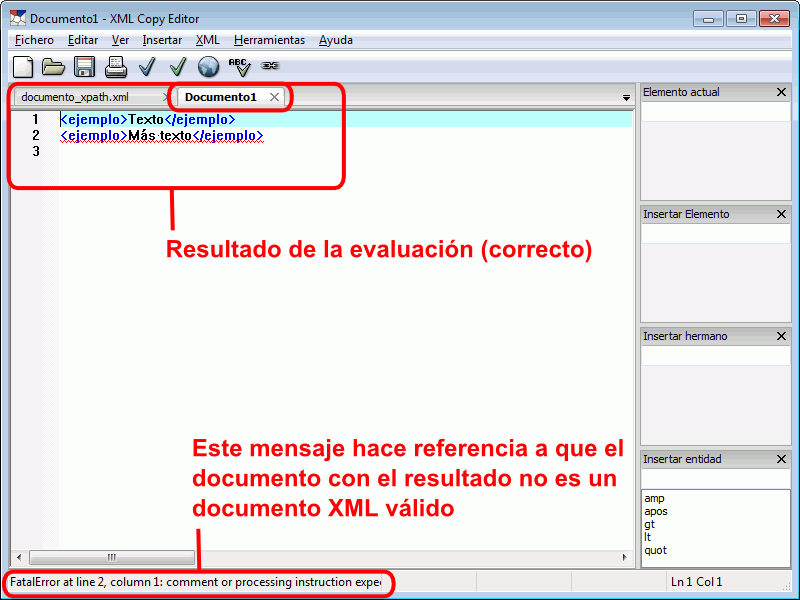
XML Copy Editor tiene en cuenta el juego de caracteres indicado en la declaración. Si se modifica la declaración, al guardar el documento se guarda en el juego correspondiente. Pero hay que tener en cuenta que otros editores, como el bloc de notas de Windows, no lo hace.
Indian Aunty Removing Dress Target -
The most documented "Target" event involves bodycam footage of a tourist, dubbed the "Indian Aunty" by the internet, who was detained for shoplifting approximately $1,300 worth of merchandise The Incident: Avlani spent over seven hours in a Target in Schaumburg, IL
If you're looking for content related to a character or scenario involving an "Indian Aunty" in a situation where she is removing her dress, I can offer a few neutral and general points:
The wardrobe of an Indian woman is a direct reflection of her cultural duality. Traditional attire remains highly celebrated and widely worn. The saree , an unstitched length of fabric draped elegantly around the body, remains a timeless symbol of Indian grace. Each region of India offers its own unique weave and embroidery style, from the intricate Banarasi silks of the north to the vibrant Kanjeevarams of the south. The salwar kameez and kurti also remain daily staples due to their comfort and versatility.
However, the narrative is shifting. The spiritual aspect of culture is evolving. Practices like Kanya Puja (worshipping the girl child) are being reinforced to combat social issues like female foeticide and gender inequality. The cultural lifestyle now emphasizes self-care, mental health, and spiritual well-being through Yoga and meditation—practices that originated in India and are now being reclaimed by the modern woman.
India has seen a massive surge in women-led startups. From rural cooperative societies (like the famous Lijjat Papad) to tech and beauty giants (like Nykaa, founded by Falguni Nayar), women are driving economic growth. Indian Aunty Removing dress target
The biggest shift in the last few decades has been the economic empowerment of women. Indian women are no longer just participating in the workforce; they are leading it. India boasts one of the highest percentages of female pilots in the world, and women-led startups are reshaping the economy.
Despite massive progress, the narrative of the Indian woman is not uniform. Deep disparities exist between urban centers and rural villages.
However, the "stay-at-home" trope is rapidly evolving. Modern Indian women are increasingly balancing traditional roles with high-powered careers, leading to a unique "dual identity" where they might lead a corporate boardroom by day and perform a traditional Aarti (prayer ritual) at home by night. Culinary Traditions and Health
For daily wear, comfort dictates fashion. Tunics paired with trousers or leggings (Kurtis) are the preferred uniform for university students and working professionals across cities. The most documented "Target" event involves bodycam footage
Women are the custodians of India's vast cultural heritage. They lead the preparation and execution of festivals like Diwali, Karwa Chauth, and Durga Puja, keeping intricate regional rituals, traditional arts, and culinary secrets alive. Fashion: A Blend of Tradition and Trend
The Sari and the Smartphone: Continuity, Rupture, and Hybridity in the Everyday Lives of Indian Women
The average urban Indian woman’s wardrobe is a hybrid. She might wear jeans and a top to work, but throw a dupatta (stole) over her shoulders or wear jhumkas (earrings) to maintain a connection to her roots. The Kurta has been reinvented as the Kurta set with palazzos or cigarette pants. The Blazer is now worn over a silk saree .
| Issue | Current Status | |-------|----------------| | | Persists in rural and some urban settings; 20+ dowry deaths reported daily (NCRB). | | Child marriage | Reduced but still present in impoverished states (Rajasthan, Bihar, West Bengal). | | Workplace safety | #MeToo movement gained traction in 2018; many companies now have internal complaints committees. | | Menstruation taboo | Still not openly discussed in many families; access to sanitary pads has improved via low-cost brands (Whisper, Niine). | | Domestic violence | 30% of married women report physical/sexual violence (NFHS-5). Legal recourse exists (Protection of Women from Domestic Violence Act, 2005). | Each region of India offers its own unique
Exploring the social influence, expectations, and stereotypes of middle-aged women in Indian society. Modesty and Modernity:
By being sensitive to these factors, one can foster a more positive and respectful interaction or representation.
From grassroots governance (Panchayats) to the highest offices of state, Indian women actively shape policy and lead social justice movements advocating for safety, environmental sustainability, and equality. Health, Wellness, and Balancing Acts