Neptune.cls Download _verified_ - |


|
|
Neptune.cls Download _verified_ -Neptune.cls Download _verified_ -How to create a new label design for Automation using Avery Design Pro 5.0 Follow the steps below to create a new label to be used with Automation Suite using Avery Design Pro 5.0. Before you begin, make a new folder anywhere on your hard drive and name it anything you like. (e.g Template) (I put my new folder on the desktop) Using your windows explorer, go to C:\Router-CIM\Automation\Bin and copy the file called Label.dbf into the folder that you just created. While your there, make a copy of the original RouterCIM.zpd file that is in that folder also. Open Avery Design Pro.
At the Start Screen for Avery Design Pro, click ‘Design from Scratch’.
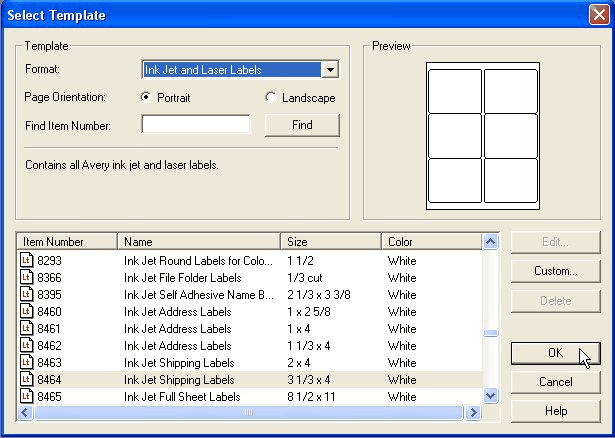
At the Select Template screen, choose the label you would like to use and click ‘OK’.
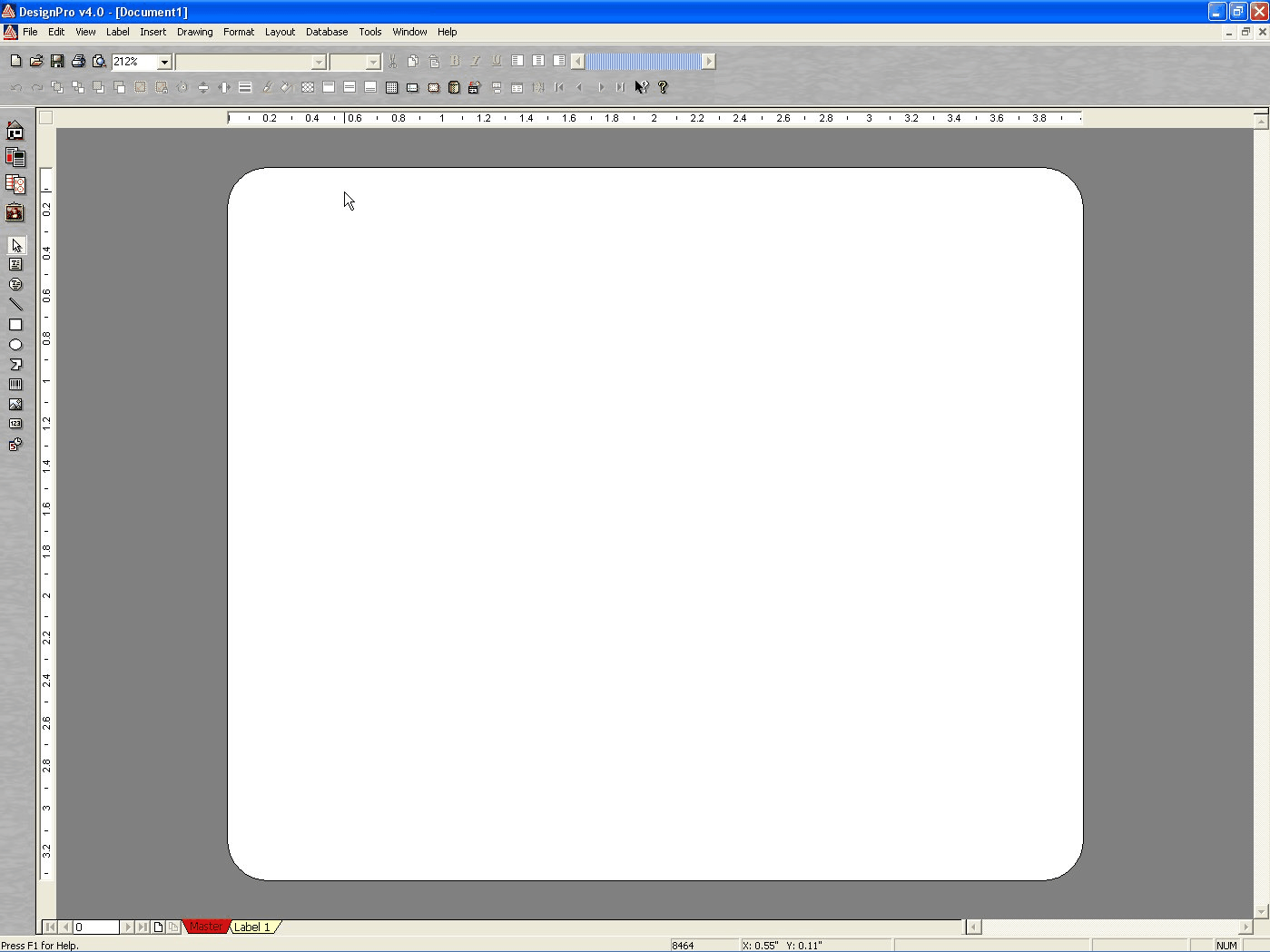
This screen shows actual label that you chose in the previous step.
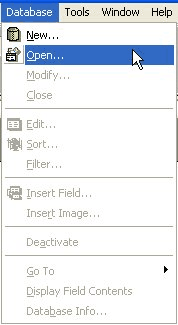
From the Database pull down menu, choose Open…
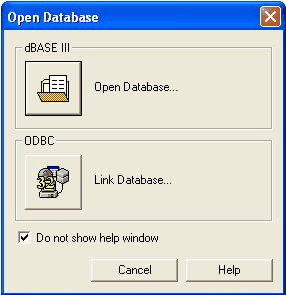
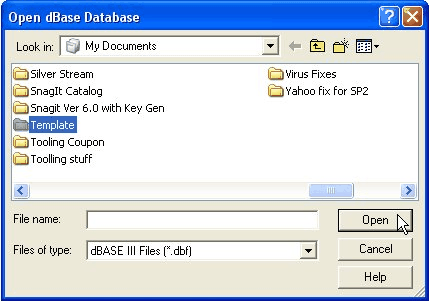
Click on the 'Open Database' icon. At this screen, go to the folder that you created at the very beginning that has the label.dbf
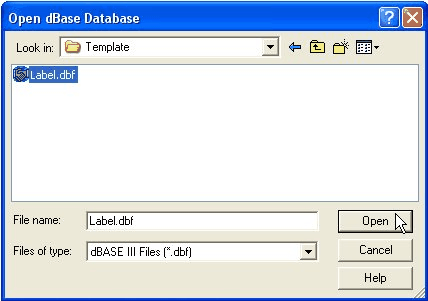
After opening the Template folder (or whatever you called it), select the label.dbf and click ‘Open’.
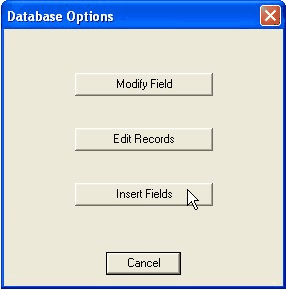
At the next screen, select ‘Insert Fields’.
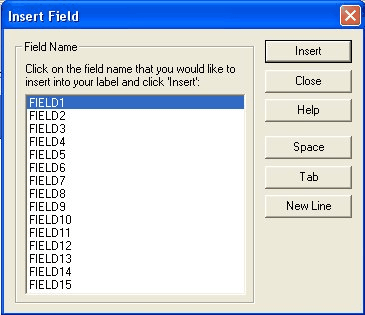
This will open the Insert Fields box.
The next few images will show Field descriptions.
Neptune.cls Download _verified_ -: Developers often host updated versions of specific journal classes; searching "neptune.cls" on GitHub can yield the most recent source code. Neptune: The Blue Frontier (Sample Essay) If you need further assistance, provide the context where you encountered neptune.cls (e.g., name of university, journal, or project), and I can help narrow down the search. If you plan to use it frequently, move it to your local TeX directory: As he scrolled through his own data, the custom macros in the If your LaTeX editor reports a File '*.cls' not found error, check these possibilities: neptune.cls download \documentclass[12pt,oneside]neptune Place the neptune.cls file inside that final neptune folder. Open the . Comment out any template-modifying packages in your preamble. Rely strictly on the built-in structural commands provided by the Neptune class. 3. Font or Encoding Glitches Create a directory structure in a preferred local folder, for example: C:\LocalTeXMF\tex\latex\neptune\ . Place neptune.cls inside that final folder. Open the . : Developers often host updated versions of specific To help you get the exact file you need, could you specify requested the neptune.cls template? If you are facing a specific compilation error code , share it here so I can provide the exact fix. Share public link The file neptune.cls is the primary LaTeX document class for , a web-based proofing framework for journal production part of the TeXFolio system. Unlike standard open-source classes, neptune.cls is part of a commercial "Software as a Service" (SaaS) suite and is typically not available for individual download from public repositories like CTAN. How to Access and "Download" the Feature : Raw journal data is processed into NLM/JATS XML first. The system then dynamically auto-generates a LaTeX file structured under neptune.cls to build the author proof. Key Technical Enhancements If this is for a thesis, check your university library's IT or formatting portal. Open the Would you like help writing a LaTeX essay template for a Neptune-related topic instead? Place the file in ~/texmf/tex/latex/neptune/neptune.cls and run the command texhash in your terminal to update the TeX database. If you use Overleaf, you rarely need to download the file locally. Search the Overleaf Template Gallery for "Neptune". If a template exists, you can open it as a new project with the neptune.cls file pre-loaded into your cloud environment. 3. GitHub Repositories
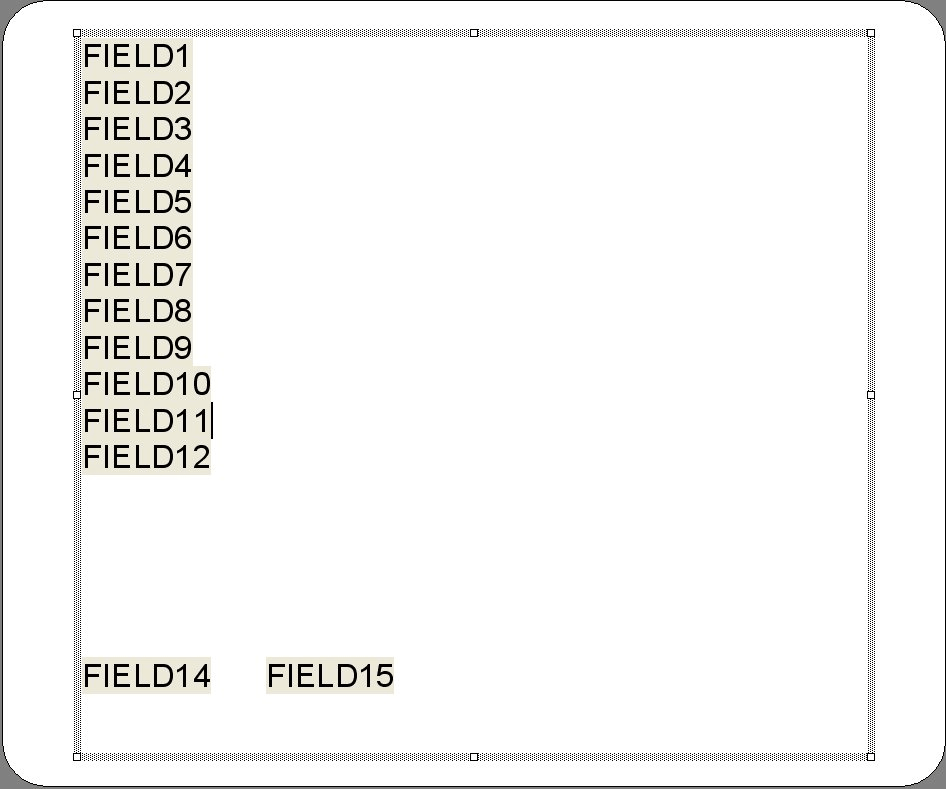
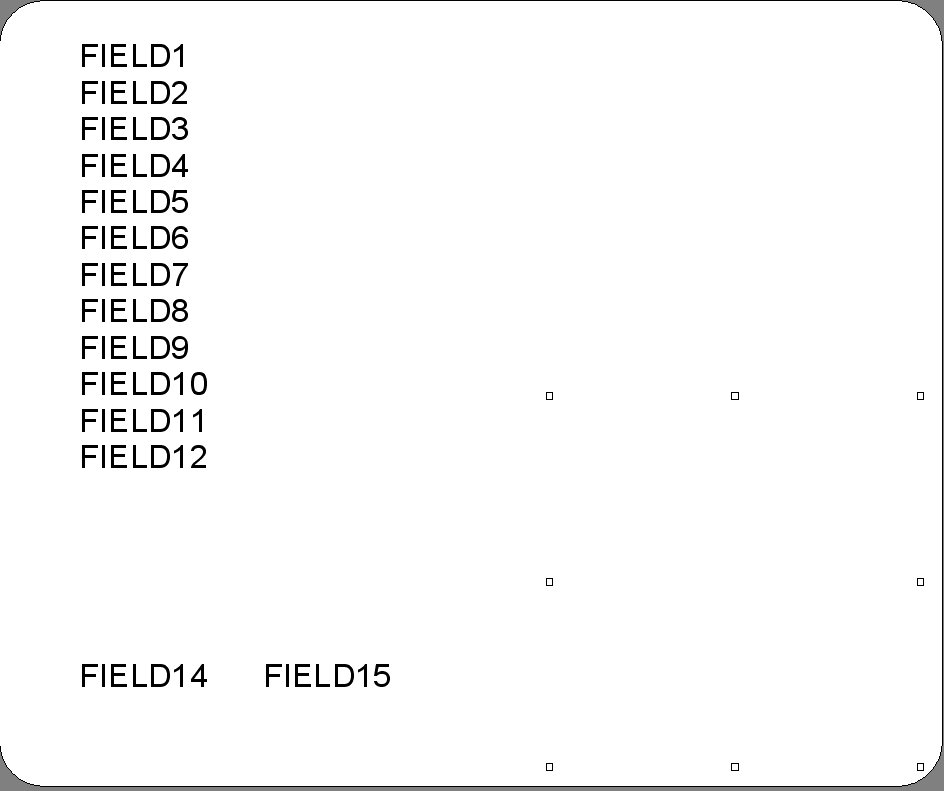
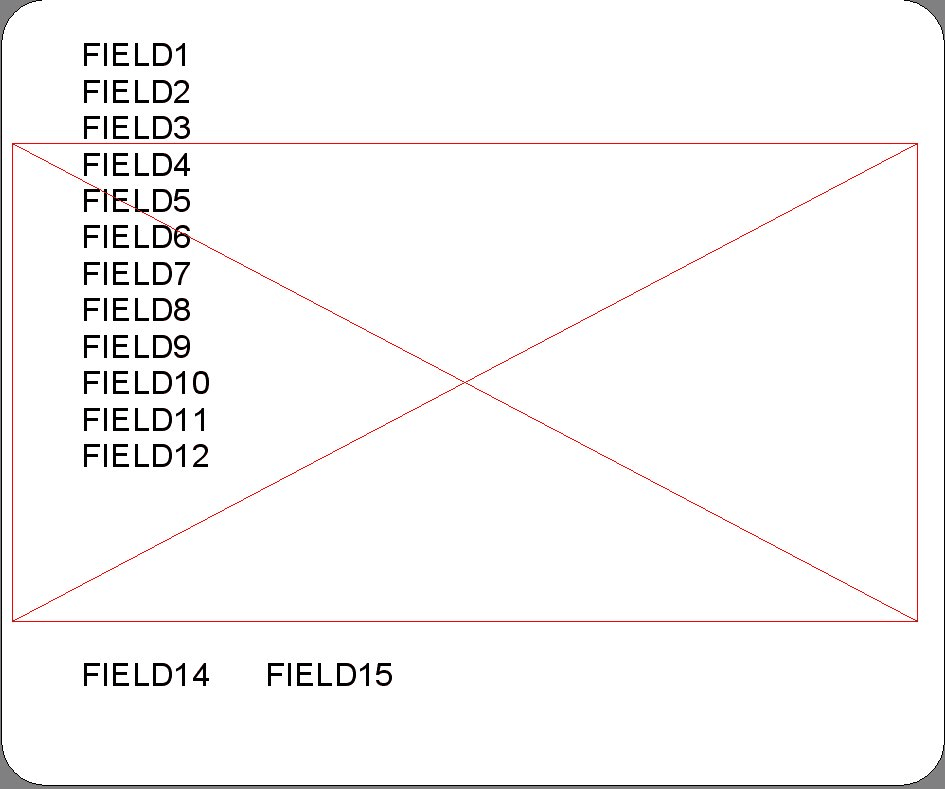
Using the Insert, Space, and New Line buttons, you can make the layout for you’re your new labels. Because of the size of this label, I was able to fit all of the fields on this label. Remember, the size of the label you choose dictates how much information (or how many fields) you can actually place on the label.
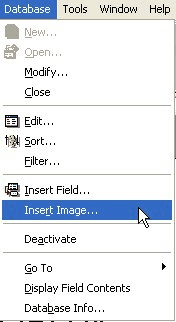
Notice the placement of fields 14 and 15. This will be important because placing it at the bottom of the label; these fields will be at the bottom of the Bar Code. Also notice that Field 13 is not on the label above. This is explained next… Field 13 is the graphic that can show the picture of your part on the label. To place a graphic on the label, from the Database pull down menu, choose ‘Insert Image’
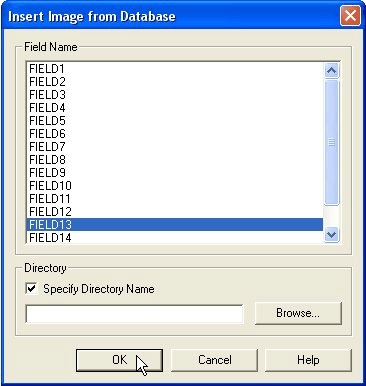
Choose Field 13 and click 'OK'.
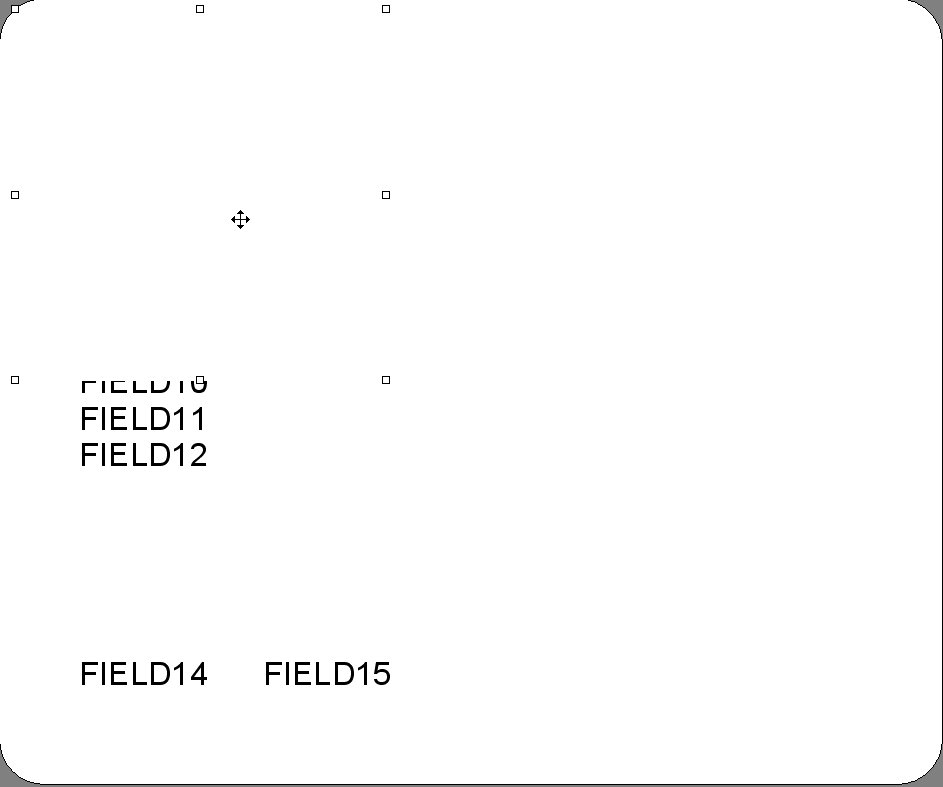
By default, the graphic is placed in the upper left corner of the label.
By grabbing and dragging, place the graphic box in the location you would like your graphic it be placed. For this example, I have placed the graphic in the lower right corner.
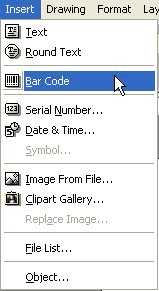
Field 15 is used to place a Bar Code graphic on the label. First, from the Insert pull down menu, choose ‘Bar Code’.
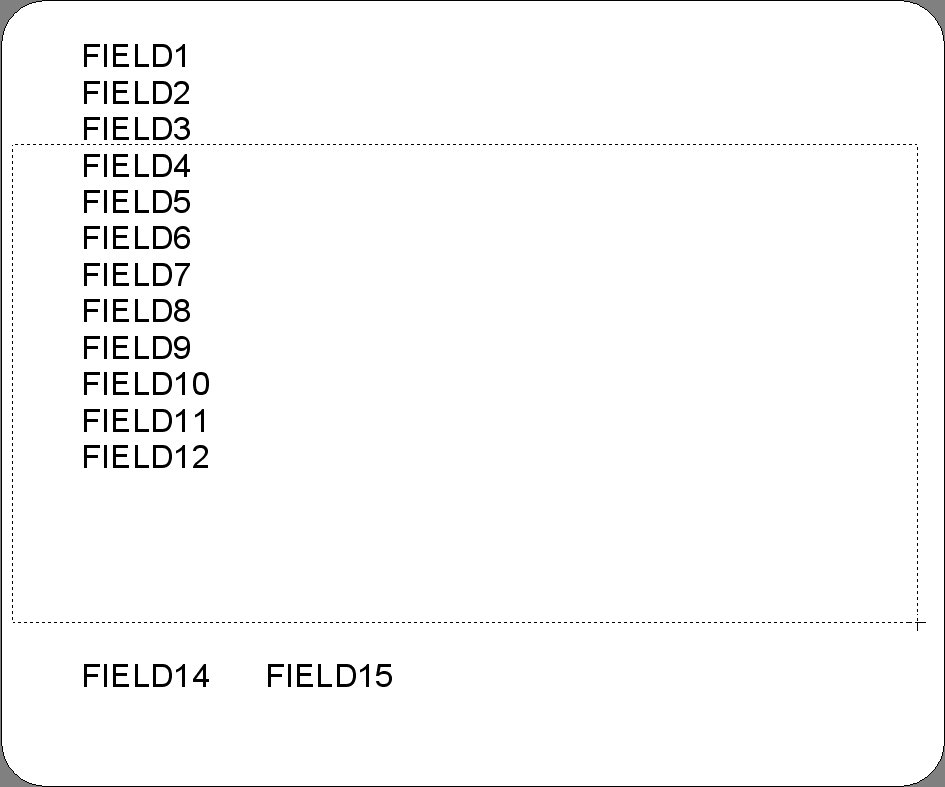
Your cursor will now change, drag from the upper left to the lower right to create a box.
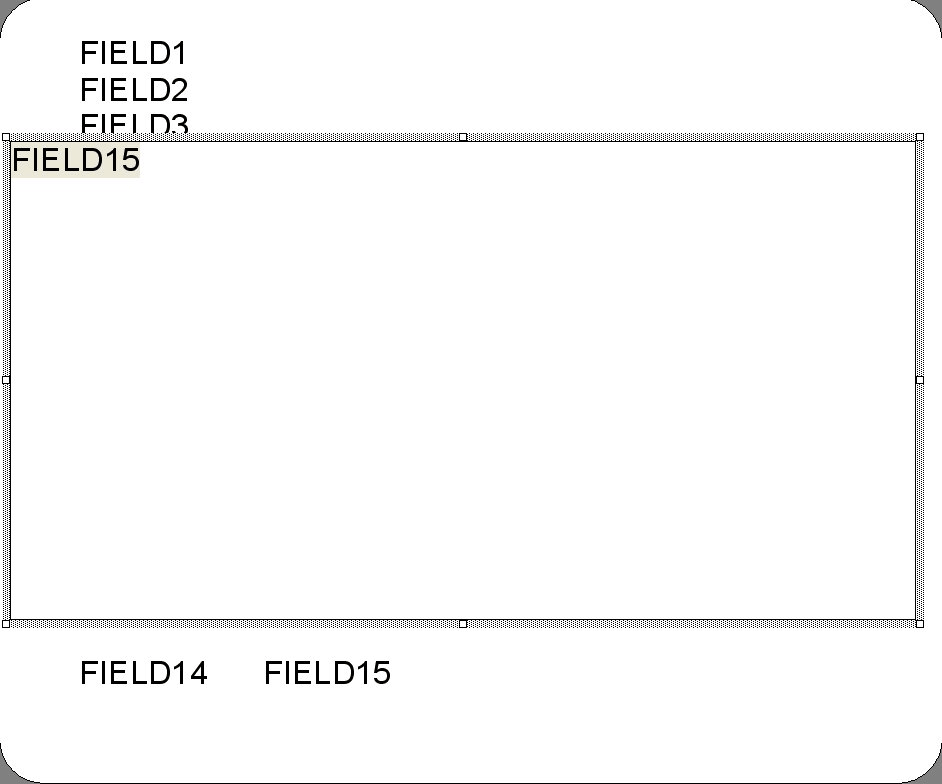
After the box is created, from the Database pull down menu, choose ‘Insert Fields’ and click on Field15 and click ‘Insert'.
When finished, your label should look like this.
NOTE: To prevent the bar code from becoming larger than the label and to have the name of the bar code shown, follow these steps: Highlight the bar code image and right-click on the dotted edge. Select 'Format Bar Code...' for the list.
This will open the Format Bar Code dialog box:
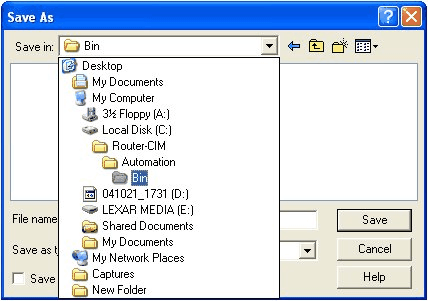
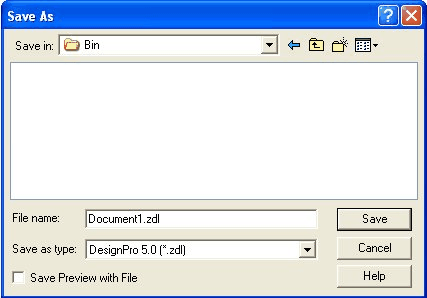
You want to make sure that 'Display Plaintext' and 'Adjust Size' are selected. Now it’s time to save your label. Choose 'Save’ or 'Save As’ from the file pull down menu. The Save in: should be set to C:\Router-CIM\Automation\Bin.
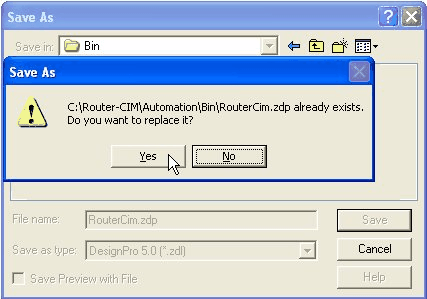
PLEASE NOTE THE FILE NAME: The only choice you have is to save it as a .zdl type at this point. In the File name: type in RouterCIM.zdp and click 'Save'. You should be asked if you would like to overwrite the file. Answer ‘Yes’
Copy the label.dbf file from the Template folder created in the beginning of the tutorial to the C:\Router-Cim\Automation\Bin folder and choose 'Yes' to overwrite the existing file. Then delete the copy of the label.dbf file in the Template folder you created. You are finished….run a job through Automation. When the job if finished and you open the Data Folder, you will see a RouterCIM.zpd file. Double-click on it. You will probably have to set the path for windows to open this type of file. The application to use would be the Labeler.exe found in C:\Program Files\Avery Dennison\DesignPro 5.0 Limited Edition folder. |